Cart
0
You may also like


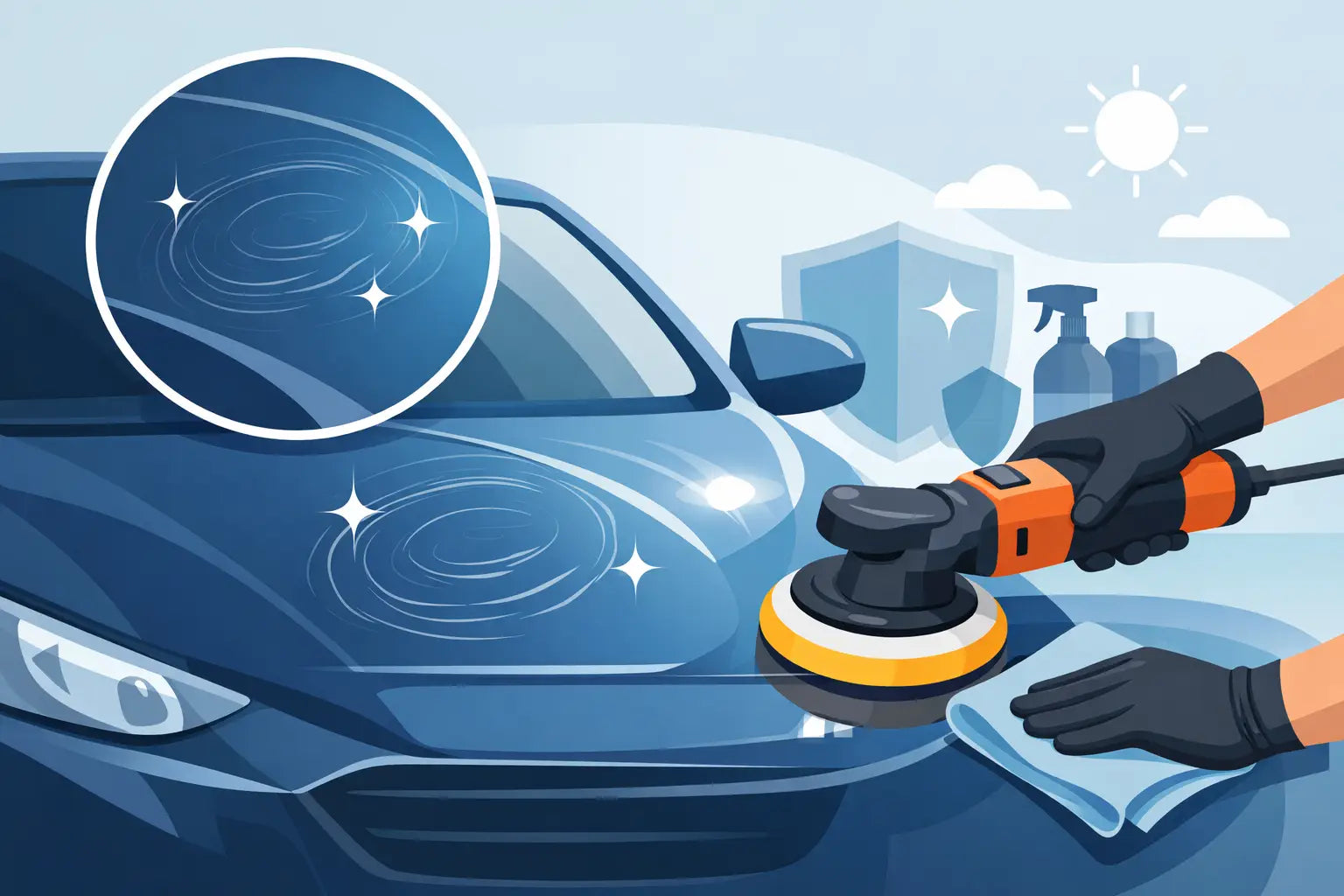
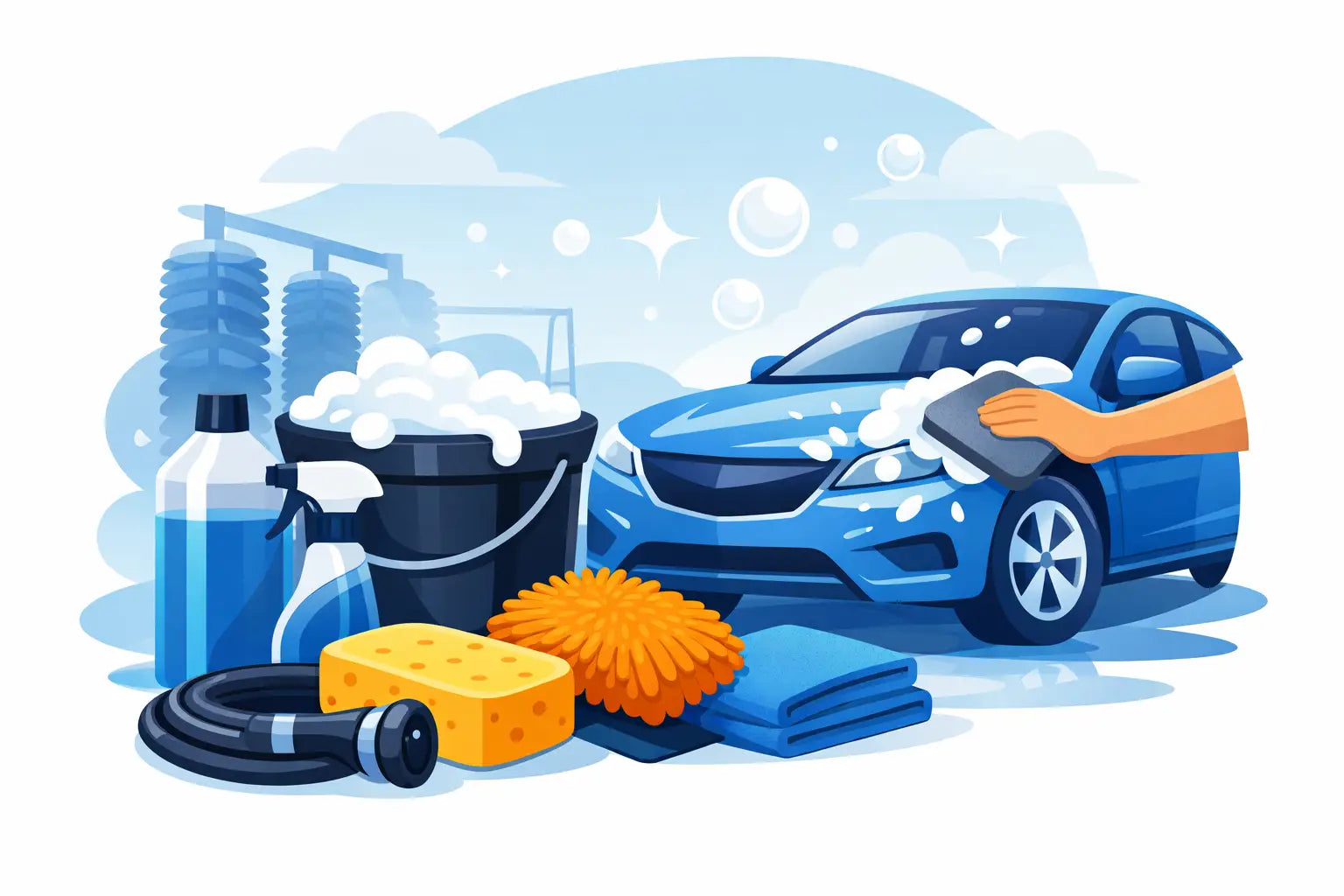
A decent wash kit is easy to buy. A proper detailing kit is harder. The top 10 car detailing products are not about filling shelves with bottles you barely use. They are the products that actually shift grime, sharpen gloss and leave protection you can see after the next spell of rain.
If you want serious results at home, start with the products that do the heavy lifting. Not the gimmicks. Not the flashy labels. Just the essentials that make a visible difference on paint, wheels, glass and interior trim.
The right order matters almost as much as the right product. Good detailing is a process. You break down dirt safely, wash without adding swirls, protect the finish and sort the areas most people neglect. That is why this list covers the full job rather than ten versions of the same thing.
If your car is properly dirty, going straight in with a wash mitt is a fast way to drag grit over the paint. A citrus pre-wash helps loosen traffic film, road grime and oily contamination before contact washing starts.
This is one of the best-value products in any setup because it reduces the risk of marring and makes the main wash easier. It is especially useful through a British winter when salt, spray and motorway grime build up quickly. The trade-off is simple - a weak formula will not do much, but an overly aggressive one can strip protection if used too often. You want cleaning power without turning every wash into a reset.
Snow foam is not magic on its own, but it earns its place when used properly. A good foam clings, softens surface dirt and gives you another safe stage before contact. On lightly to moderately dirty cars, that extra dwell time can remove a surprising amount of grime.
It also helps you spot where dirt is still hanging on, especially around badges, shut lines and lower panels. The reality is that snow foam works best as part of a system, not as a stand-alone hero. If you expect it to replace a hand wash, you will be disappointed. If you use it to reduce risk and improve results, it is a smart buy.
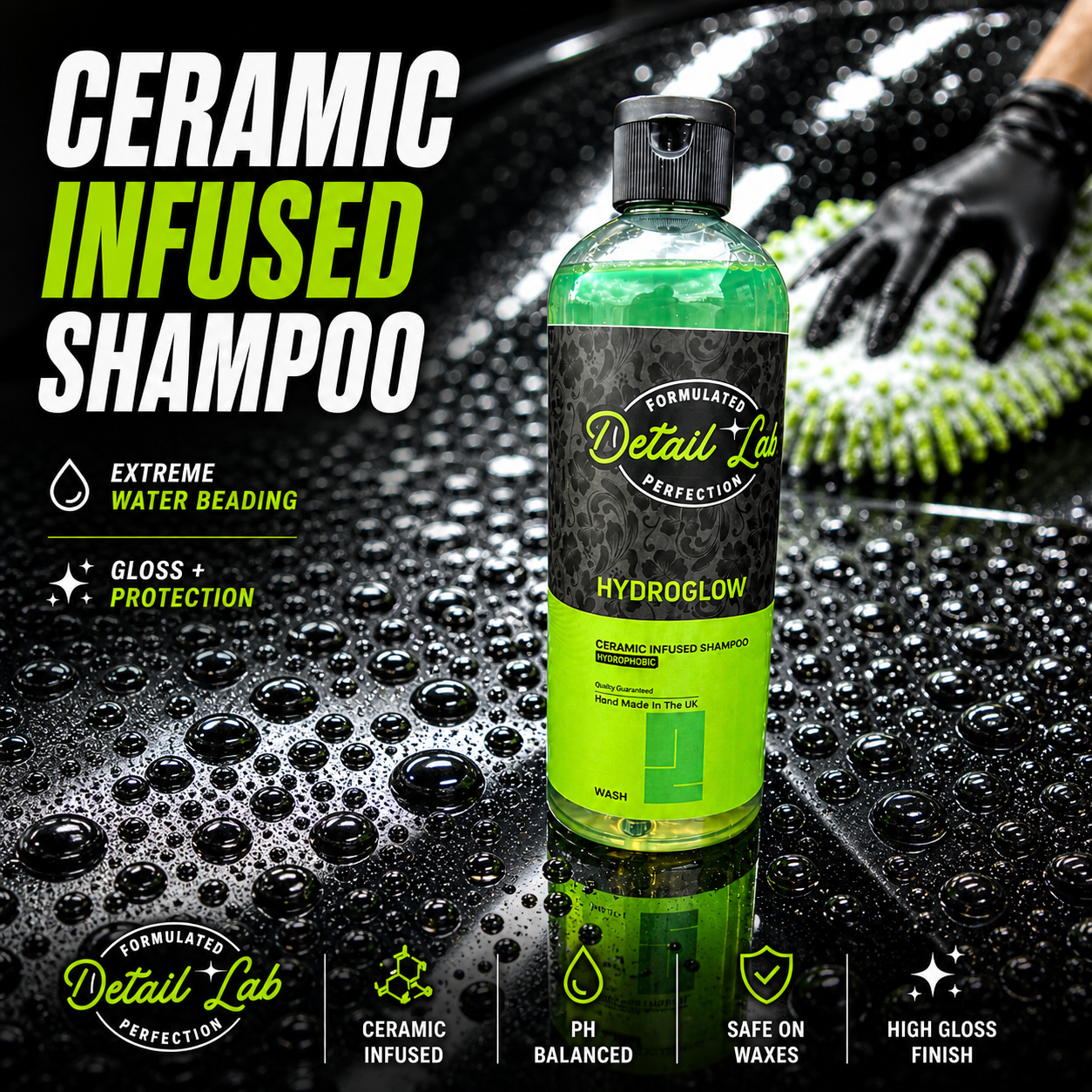
Your shampoo should clean well, rinse clean and leave nothing behind apart from a fresh surface. That sounds basic, but too many cheap shampoos either lack cleaning power or leave behind gloss enhancers that mask the finish for a day and do little else.
A pH-neutral shampoo is the safe middle ground for regular maintenance. It works with waxes and sealants rather than stripping them straight off. If your car already has protection, this is the product that helps it last. If it does not, shampoo alone will not add much durability, so do not treat it as protection.
Wheels take the worst of it - brake dust, salt, tar, road film. They need a dedicated cleaner because body shampoo rarely has the bite to deal with baked-on contamination. A proper wheel cleaner cuts through that build-up faster and with less scrubbing.
The main choice here is between a regular cleaner for maintenance washes and a fallout-removing formula for deeper decontamination. If you clean your wheels often, a safer maintenance cleaner usually makes more sense. If you leave them for weeks, you may need something stronger. The key is using a formula that is effective without being harsh on finishes.
Paint can look clean and still feel rough. That roughness is often bonded contamination, including iron particles from brake dust and road fallout. An iron remover deals with what washing cannot.
This is one of those products that proves its value the first time you use it on a light-coloured car. You see the reaction, you feel the difference, and your wax or sealant has a much better surface to bond to afterwards. It is not something most drivers need every week, but as part of a proper detail it is hard to beat. Use it when the paint feels contaminated, before polishing, or before applying longer-term protection.
After chemical decontamination, some surfaces still need mechanical help. That is where clay comes in. A clay bar or clay mitt removes bonded contamination left behind on paint and glass, giving you a smoother finish and a cleaner base for protection.
There is a clear trade-off here. Clay works, but used badly it can mark soft paint. Plenty of enthusiasts now prefer a clay mitt because it is quicker and easier to manage, while traditional clay can feel more precise on awkward areas. Either way, lubrication is non-negotiable, and this is a product to use with care rather than brute force.
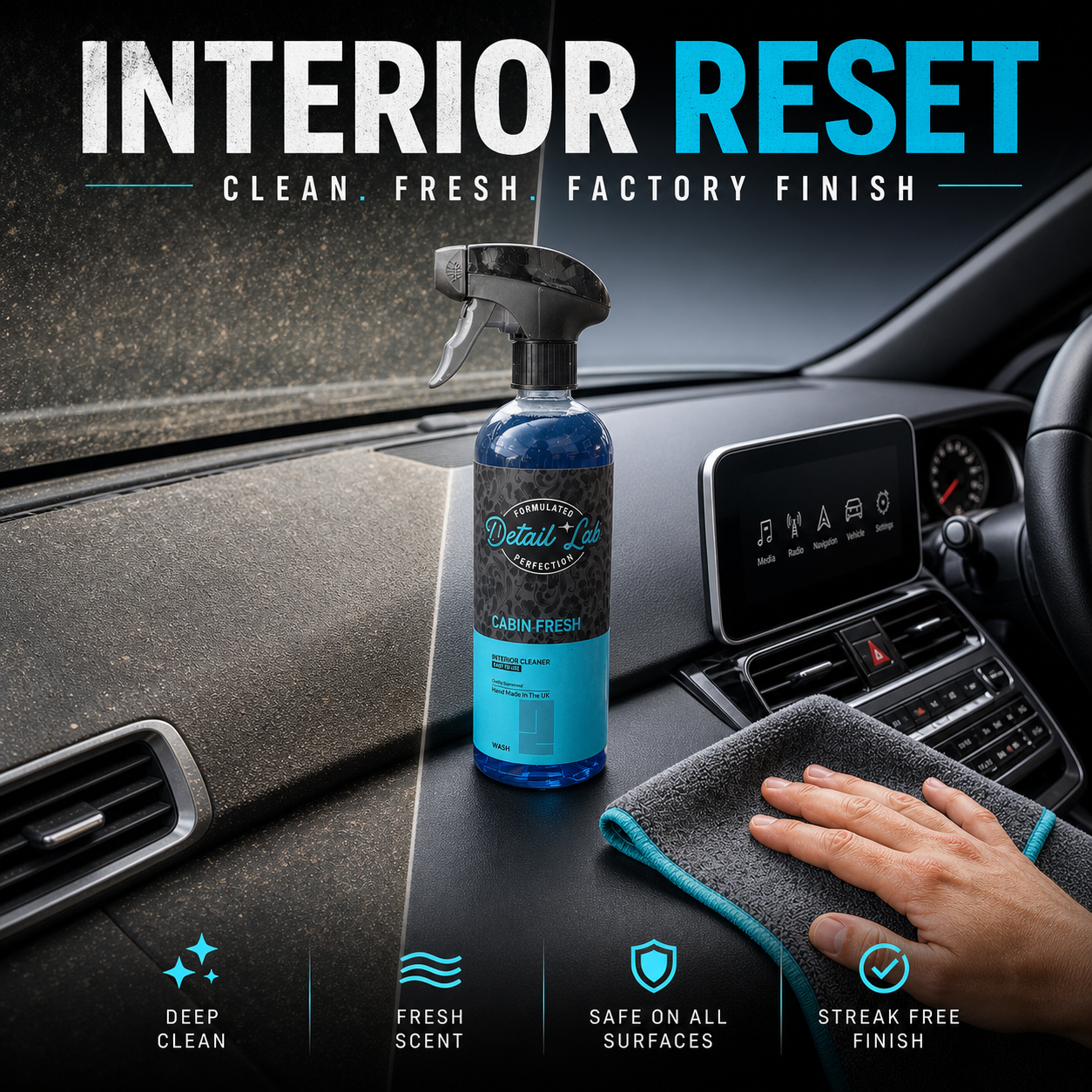
A shiny dashboard is not a win. Most drivers want an interior that looks clean, feels fresh and does not leave plastics greasy. A good car interior cleaner handles dash surfaces, centre consoles, door cards and general grime without leaving residue behind.
This matters more than people think because the inside of the car is where you actually spend your time. Finger marks, dust, spills and built-up grime kill the feel of an otherwise tidy vehicle. The best interior cleaners are straightforward - spray, wipe, done. If you want extra dressing afterwards, fine. But the cleaner itself should do the hard part without adding glare or slipperiness.
Nothing ruins a clean car faster than smeary glass. It looks amateur and it is annoying every time low sun or night traffic catches the marks. A dedicated automotive glass cleaner cuts through haze, fingerprints and film far better than general household products.
This is one area where technique matters as much as chemistry. A decent glass cleaner paired with the right cloth gives you the crisp finish people notice straight away. It is particularly useful on the inside of the windscreen, where traffic film, vaping residue and general interior build-up create that stubborn greasy layer.
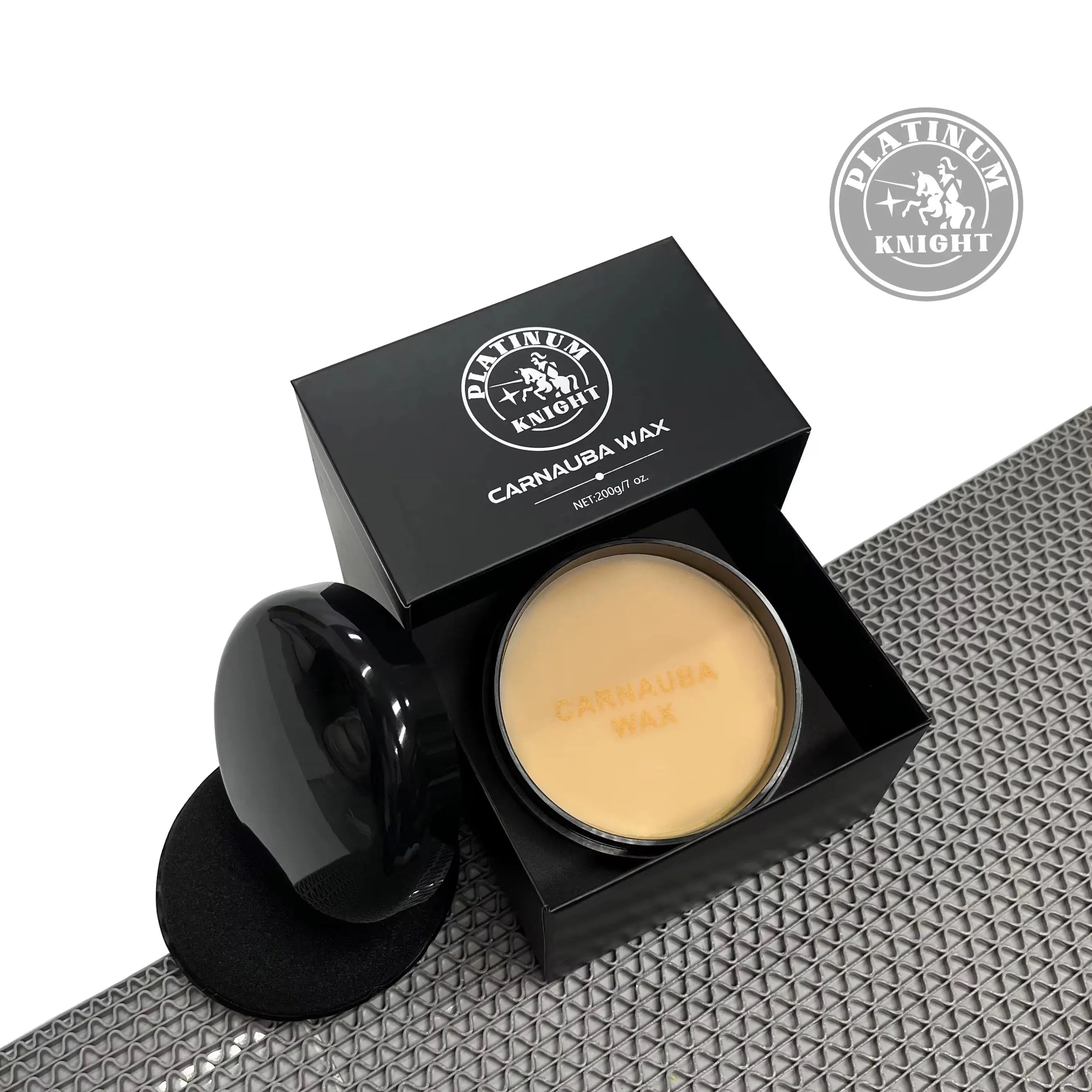
If cleaning is only half the job, protection is the other half. A hard wax or paint sealant adds gloss, boosts water beading and makes routine washing easier because dirt does not cling as stubbornly.
Which one is right depends on what you care about most. Hard wax often wins on warm finish and enthusiast appeal. A sealant usually wins on ease and durability. There is no point pretending one answer fits everyone. If you enjoy the process and like topping up protection, wax is satisfying. If you want longer intervals and less maintenance, a sealant is usually the smarter move.
The last product on this list is the one that keeps a car looking freshly detailed between bigger washes. A quick detailer or finishing spray lifts light dust, removes fresh marks and adds that just-clean pop to gloss.
It is not a replacement for washing a dirty car, and using it on heavy grime is asking for swirls. Used correctly, though, it is one of the easiest ways to sharpen the finish in minutes. It also helps after drying, when you want a slicker feel and a cleaner final look without dragging the whole routine out.
Do not buy by hype. Buy by the condition of your car and how you actually maintain it.
If your vehicle lives outside, does motorway miles and gets washed every couple of weeks, focus first on pre-wash, shampoo, wheel cleaner and protection. That combination gives the biggest visible gain. If you are chasing a smoother, sharper finish on darker paint, add iron remover and clay. If your biggest frustration is a tired cabin or smeary screens, interior cleaner and glass products move up the list fast.
Bundles can make real sense here because most people do not need one hero product. They need a system that works together. That is where brands like Detail Lab get it right - practical kits, strong formulas, less guesswork.
The biggest mistake is buying for novelty instead of results. Three tyre dressings and no pre-wash is backwards. So is spending heavily on a premium wax when the paint has not been decontaminated properly.
The second mistake is going too aggressive. Stronger is not always better. If a safe maintenance product does the job, use it. Save the harsher chemistry for neglected areas and occasional deeper cleans.
The third mistake is skipping protection. Clean paint looks good for a day. Protected paint stays easier to wash and keeps that finish longer. That matters if you want the effort to last beyond Sunday afternoon.
A smart kit is not the biggest kit. It is the one you will actually use, in the right order, with products that earn their place. Start with the essentials, learn what your car needs, and let the finish do the talking.