Cart
0
You may also like


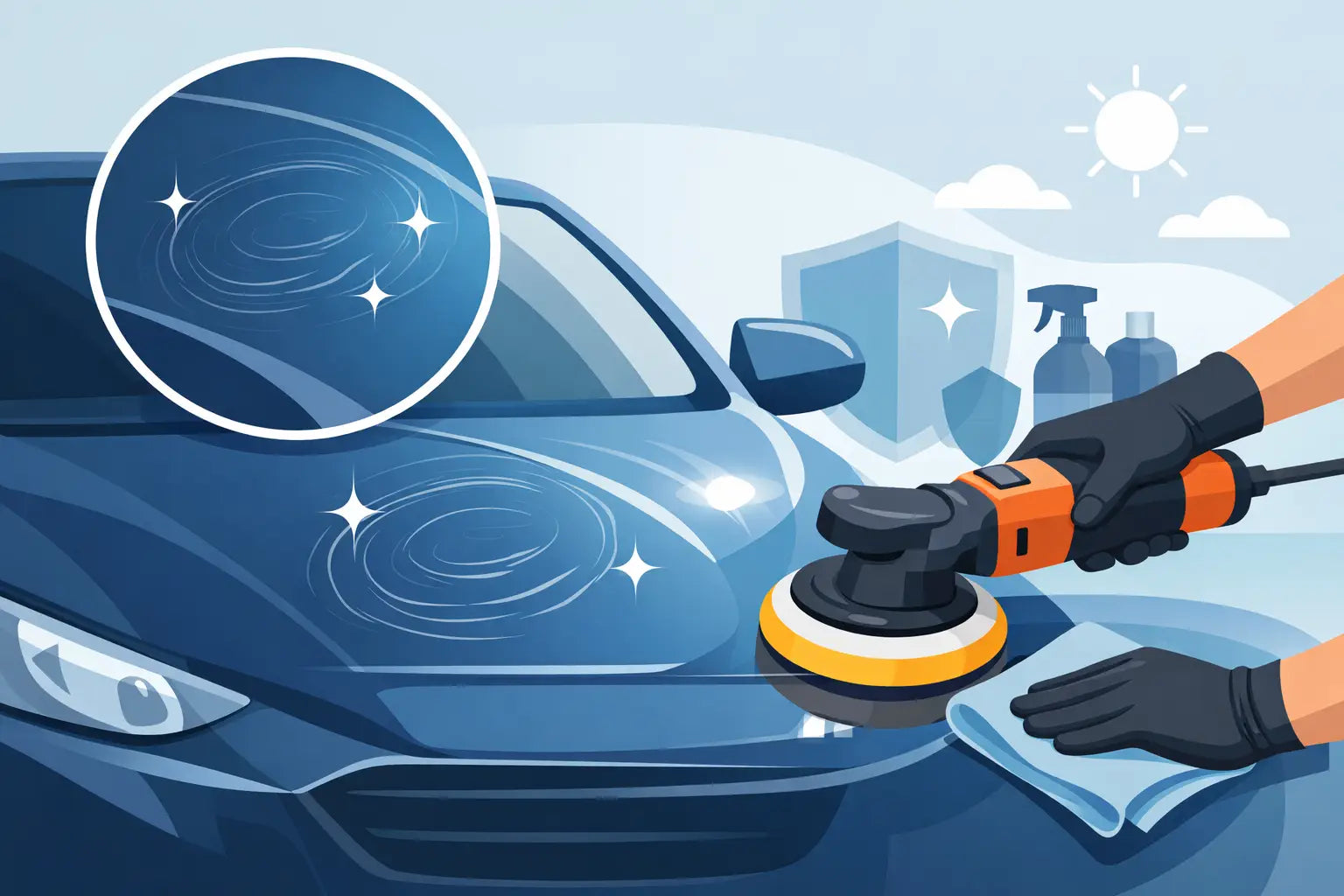
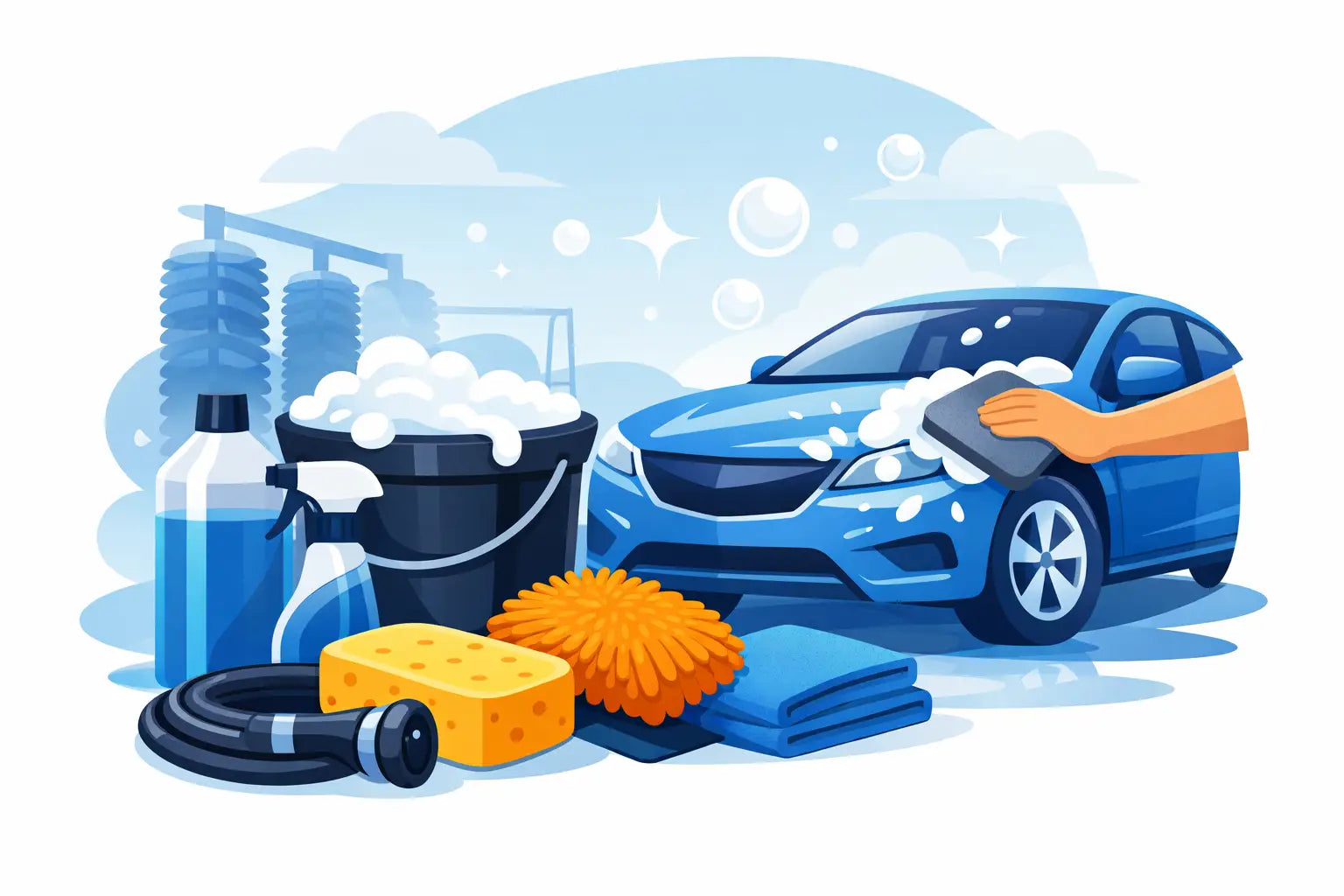
Walk round any neglected car in daylight and the weak points show up fast - flat paint, brown tyres, baked-on brake dust, smeared glass, tired trim. That is exactly why the best premium car cleaning products matter. They do not just make a car look cleaner for an afternoon. They cut wash time, reduce risk, and leave a finish that actually looks cared for rather than quickly wiped over.
Premium does not mean fancy labels and inflated pricing. It means stronger chemistry where it counts, safer formulas on delicate surfaces, better lubricity during contact wash, and protection that lasts longer than the next shower. If a product cannot deliver visible gains in cleaning power, gloss or durability, it is not premium. It is just expensive.
The first test is performance. A proper pre-wash should loosen grime before you touch the paint. A wheel cleaner should break down brake dust without needing endless scrubbing. A shampoo should clean without stripping every layer of protection you have already put down. Premium products earn their place by doing one job properly, not pretending to do five jobs badly.
The second test is safety. Cheap cleaners often chase instant punch with harsh ingredients that leave trim faded, coatings weakened or sensitive finishes marked. Better products are built to clean hard while staying controlled. That matters even more if you are maintaining black paint, soft clear coat, polished alloys or older vehicles with delicate surfaces.
The third test is finish. Anyone can throw water and suds at a car. The difference shows once it is dry. Better products leave tighter beading, cleaner gloss, less residue and a surface that feels slick rather than grabby. That is the point. Less talk. More gloss.
If there is one place people waste money, it is skipping pre-wash and then spending more on paint correction later. Road film, grit and traffic fallout sit on the surface before you even start the contact wash. Going straight in with a mitt drags that contamination across the paint.
A premium citrus pre-wash or snow foam is not there for show. It softens and lifts the layer of grime that causes most wash-induced marring. For a daily-driven car in the UK, where rain, salt and motorway film build up fast, that first stage is not optional if you care about the finish.
A good pre-wash should cling long enough to work, rinse freely and leave the panel noticeably cleaner before shampoo touches it. Snow foam is especially useful for maintenance washes because it spreads product evenly and gives you a clear visual read on coverage. Citrus cleaners tend to bring more cutting power when the vehicle is heavily soiled. Which is best depends on the job. Light dust and regular upkeep suit foam. Winter filth and neglected lower panels often need something stronger first.
Wheels take the worst of it. Hot brake dust, tar, salt and road grime build up in layers, especially on front alloys. That is why wheel cleaners separate proper kits from supermarket shelf filler.
The best premium car cleaning products for wheels balance strength with control. You want enough reaction to loosen baked-on contamination, but not so much aggression that it stains bare metal, dries on the surface or strips finishes unnecessarily. On coated or regularly maintained wheels, a gentler cleaner will usually do the job. On neglected alloys, you may need a stronger formula and a proper wheel brush to shift the build-up from barrels and around the nuts.
Tyres matter too. If the rubber is still brown after washing, it is not clean. A premium tyre and rubber cleaner removes old dressing and the grime that sits deep in the sidewall, giving you a clean base for a fresh satin or gloss finish. That is how you get tyres that look finished rather than greasy.
Car shampoo sounds basic until you use a bad one. Weak shampoos do not clean well. Harsh shampoos kill protection. Thin shampoos feel scratchy in the wash mitt and leave you working harder than you should.
A premium shampoo gives you lubrication, controlled foam and a clean rinse. That extra glide matters because contact washing is where paint picks up most of its damage. A slick, high-quality shampoo helps the mitt move over the surface rather than drag.
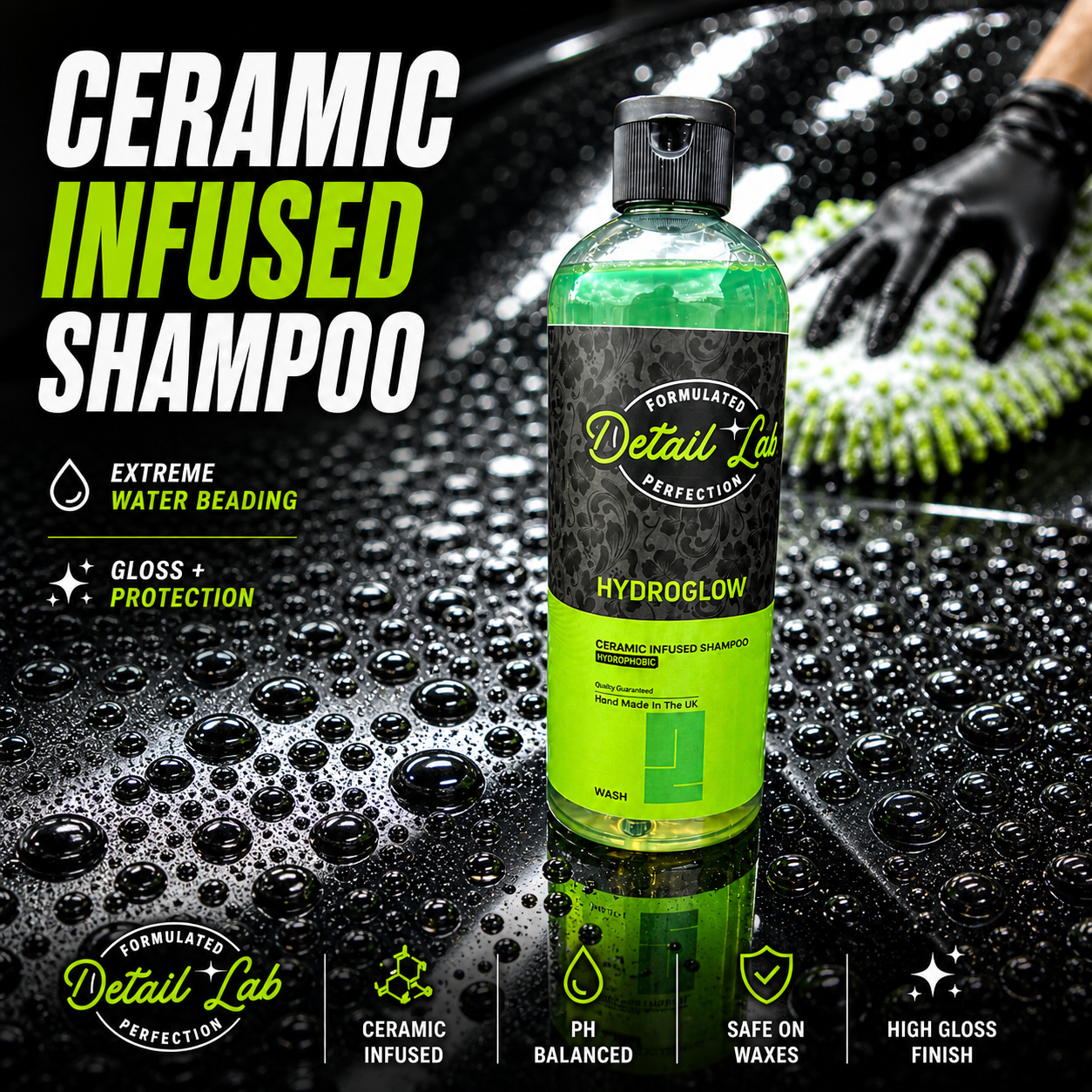
There is also a trade-off here. Some shampoos are made to preserve waxes and sealants, while others are designed to strip old layers ahead of fresh protection. Neither is wrong. It depends whether you are doing maintenance or a reset. If your car already has a decent protective layer, use a pH-balanced shampoo that leaves it alone. If you are preparing for a new wax or sealant, use a stronger cleanser with purpose.
Anyone can make a car look shiny when it is wet. The real test comes a week later. Is the paint still slick? Is water still beading tightly? Is washing easier the next time? That is where premium protection earns its keep.
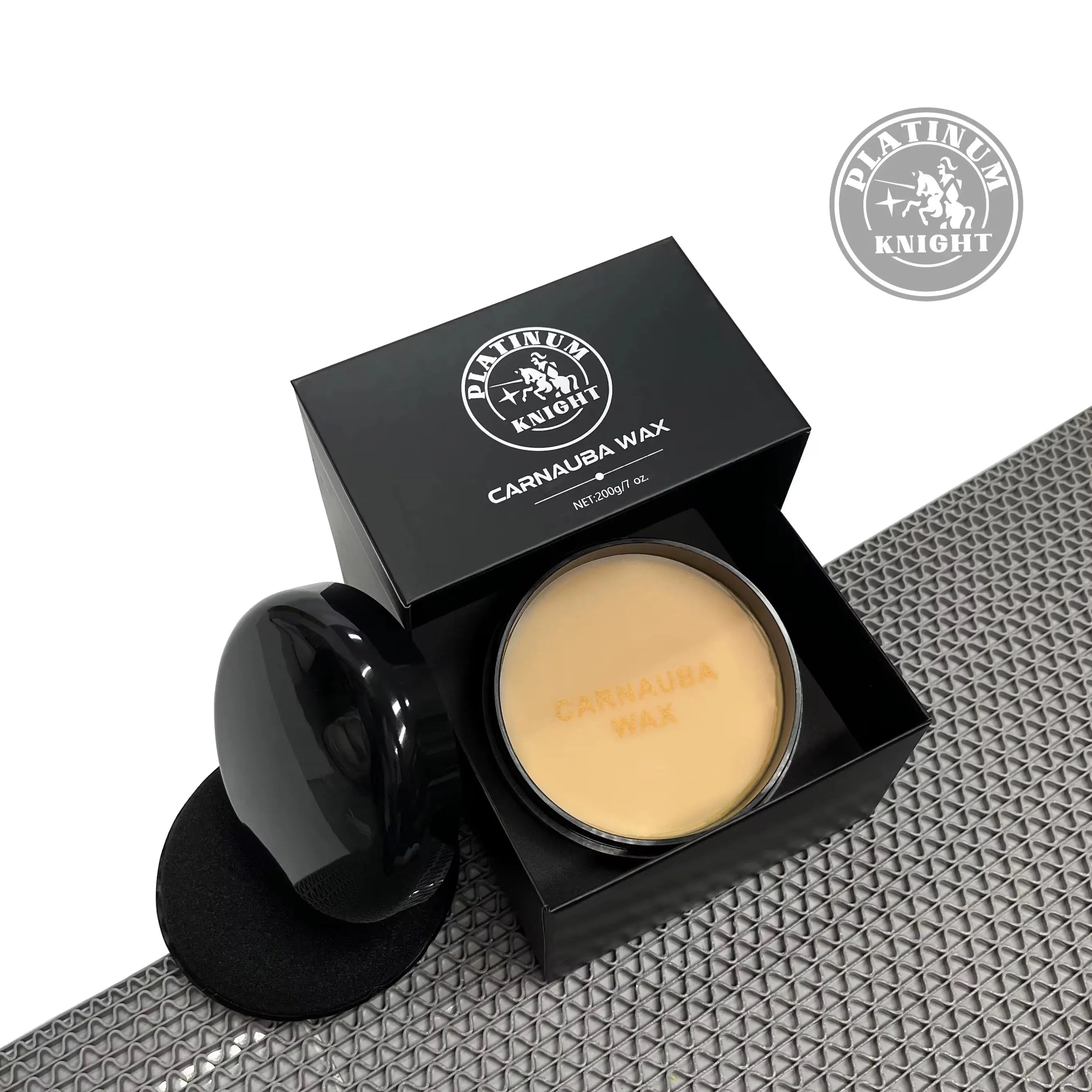
Hard waxes still have a place, especially if you enjoy the process and want warm gloss on darker colours or classic paintwork. A good wax gives depth, smoothness and satisfying water behaviour. It also tends to suit enthusiasts who do not mind applying by hand and topping up regularly.
Spray sealants and finishing sprays make more sense for many drivers because they are faster. Used properly, they add gloss, improve drying and leave behind a protective layer that helps resist fresh grime. The best ones are not just cosmetic boosters. They genuinely help maintain the finish between deeper details.
For daily drivers, durability matters more than romance. A product that takes minutes to apply and survives British weather is often the smarter buy than a more labour-heavy option that sits on the shelf because you never have time to use it.
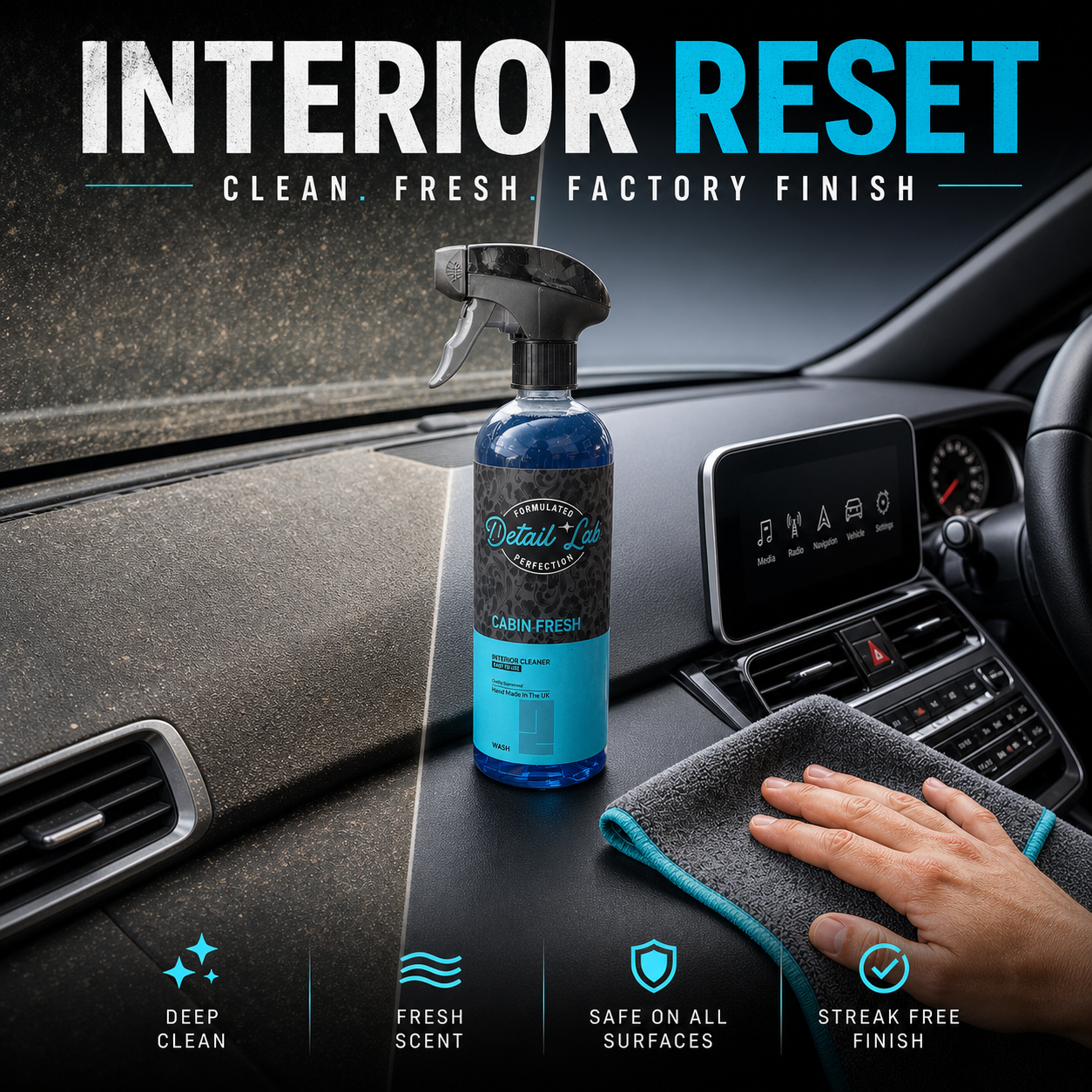
A premium interior cleaner is judged by restraint. It should remove grime, body oils and everyday marks without leaving plastics sticky, streaky or overly glossy. Cheap cockpit sprays often make everything look wet for an hour and dusty by the next day.
The better option is a cleaner that leaves a factory-look finish. Clean screens, matte plastics, fresh fabric and properly maintained leather always look more expensive than a dashboard covered in oily residue. If you want scent, keep it controlled. A subtle interior fragrance can lift the cabin. A heavy chemical perfume just tells everyone you tried to hide something.
You can wash the body perfectly and still ruin the final look with poor finishing. Smearing on glass, chalky trim and patchy dressings stand out straight away.
A premium glass cleaner should flash off cleanly and work in British conditions, not just in an ideal garage on a mild day. Exterior glass needs cutting power for road film and traffic residue. Interior glass needs a clean finish with no haze in low sun or night driving.
Trim dressings need judgement. High gloss can work on tyres, but exterior plastics usually look better with a darker, richer finish rather than artificial shine. The best products revive the surface and add some weather resistance without turning every trim piece slippery or uneven.
Finishing sprays are useful when you want extra gloss before a meet, handover or weekend drive, but they should not be treated as a substitute for proper protection. Think of them as a sharp final pass, not the whole job.
This is where most people get stuck. They buy one strong cleaner, one cheap shampoo, a wax they never use and three different interior products that all claim to do everything. The result is confusion, wasted money and a shelf full of half-used bottles.
A smarter approach is to build a simple system. Pre-wash, wheel cleaner, shampoo, protection, interior cleaner and a couple of finishing essentials. That covers most real-world needs without clutter. If you wash regularly, bundled kits usually make more sense than buying everything one by one because the products are designed to work together and you are less likely to miss a stage that actually matters.
That is also where brands like Detail Lab fit the real market need. Not more noise. Just serious formulas, clear use cases and products that aim for visible results at home.
If your vehicle is new or already well-kept, focus on safe maintenance. That means a quality pre-wash, pH-balanced shampoo, a wheel cleaner suitable for regular use and a quick, durable topper to maintain gloss and beading.
If the car is neglected, start with cleaning power. You will need stronger pre-wash chemistry, proper wheel and tyre cleaning, and likely a decontamination stage before worrying about shine. Protection comes after the surface is genuinely clean.
If it is a weekend car or something with sentimental value, the finish may matter more than speed. In that case, hard waxes, careful drying aids and trim-perfecting products are worth the extra effort. If it is a daily that battles rain, grit and commuting, convenience and durability should lead the choice.
The best premium car cleaning products are the ones that match how you actually use the vehicle, not the ones with the loudest claims. Buy for the result you want, use them in the right order, and keep the routine tight. A clean car is nice. A properly detailed one looks sharper, stays easier to maintain and makes every wash feel worth it.
Start there, and the next time the light catches your paint, you will know exactly where the money went.