Cart
0
You may also like



If your snow foam slides off in seconds, barely shifts road film, and leaves you doing all the hard work by hand, the problem is not your wash routine. It is the product. Finding the best snow foam for cars comes down to one thing - how much grime it loosens before your mitt touches the paint.
That matters more than the marketing. A proper snow foam is there to soften traffic film, lift loose dirt and cut the risk of dragging contamination across your panels. Used well, it makes your contact wash safer, quicker and far more effective. Used badly, it is just expensive bubbles.
The best products all do the same core job. They cling long enough to break down grime, rinse away cleanly and leave your wax, sealant or coating in decent shape if the formula is pH neutral. That last point matters if you care about protection and gloss, which most people reading this do.
Cling gets talked about a lot, but thick foam on its own means nothing. You want dwell time with cleaning ability, not shaving cream for your bonnet. Some snow foams look dramatic and do very little. Others produce a slightly wetter blanket but actually loosen more dirt. Results beat theatre every time.
The formula also needs to match how you use the car. A weekend toy that sees dry-weather miles only will not need the same bite as a daily driver hammered by motorway spray, winter salt and brake dust. That is where people go wrong. They buy on hype, not on use case.
For most drivers, a pH neutral snow foam is the right place to start. It is safer on existing protection, works well as a maintenance pre-wash and suits regular use. If your car is coated, waxed or sealed, this is usually the smart option.
But there is a trade-off. A gentle formula may struggle on heavily soiled paint, especially in winter. If the car is properly filthy, a stronger pre-wash product or a more powerful foam may be the better tool. That does not make pH neutral snow foam weak. It just means chemistry needs to match the job.
If you wash often, stay gentle. If you leave it too long between washes, you may need more bite. Simple as that.
A poor product usually gives itself away fast. It foams up nicely, makes the car look covered, then rinses off having achieved almost nothing. The lower panels still feel rough, the rear end still wears a film of muck, and your wash mitt ends up collecting what the foam should have loosened.
Another red flag is inconsistency. If you need wildly different dilution ratios every wash just to get passable performance, the formula is not doing enough heavy lifting. The best snow foam for cars should be easy to use, repeatable and dependable in real conditions, not just under perfect demo-day settings.
Overly harsh products can be just as frustrating. Yes, they may cut through grime, but if they strip protection every time, dry out trim or leave you rebuilding your finish after every wash, they are solving one problem and creating another.
Start with cleaning performance, not bottle claims. You want a product that genuinely helps remove dirt before contact. Then look at dwell time. A decent foam should sit on the panel long enough to work, without vanishing instantly or drying too quickly in normal UK conditions.
Compatibility matters too. If you are using a foam lance and pressure washer, most dedicated snow foams will behave as intended. If you are relying on a pump sprayer or lower-powered setup, results can vary. Some products are more forgiving than others, so there is no point buying a premium formula if your kit cannot apply it properly.
Scent and colour are secondary. Nice to have, not a reason to buy. The same goes for extreme thickness. Good foam should help you wash safer and faster. Anything else is extra.
Even the best snow foam for cars will disappoint if the process is off. Apply it to a cool surface, out of direct sun, and let it dwell without letting it dry. That gives the surfactants time to loosen grime rather than baking onto the paint.
Start from the bottom and work upwards when applying. It sounds backwards, but it helps coat the dirtier lower sections properly and gives more even dwell. Then rinse thoroughly, again paying attention to the lower panels, behind wheels and around badges where road grime collects.
Do not expect snow foam to replace a full wash. It is a pre-wash step. Its job is to remove as much contamination as possible before you touch the paint. That is what reduces the chance of wash marring and swirl marks.
If your car is a weekend keeper, garaged and maintained regularly, go for a pH neutral maintenance foam with good dwell and clean rinse behaviour. You are preserving finish, not fighting months of neglect.
If it is a daily driver doing school runs, motorway miles and supermarket car parks, choose a foam with stronger cleaning ability but still safe enough for regular use. That middle ground is where most people should be shopping.
If you are dealing with vans, 4x4s or vehicles that pick up serious grime, be realistic. Snow foam helps, but it may need backing up with a dedicated pre-wash or traffic film remover on the worst areas. There is no shame in using the right product stack for the level of dirt.
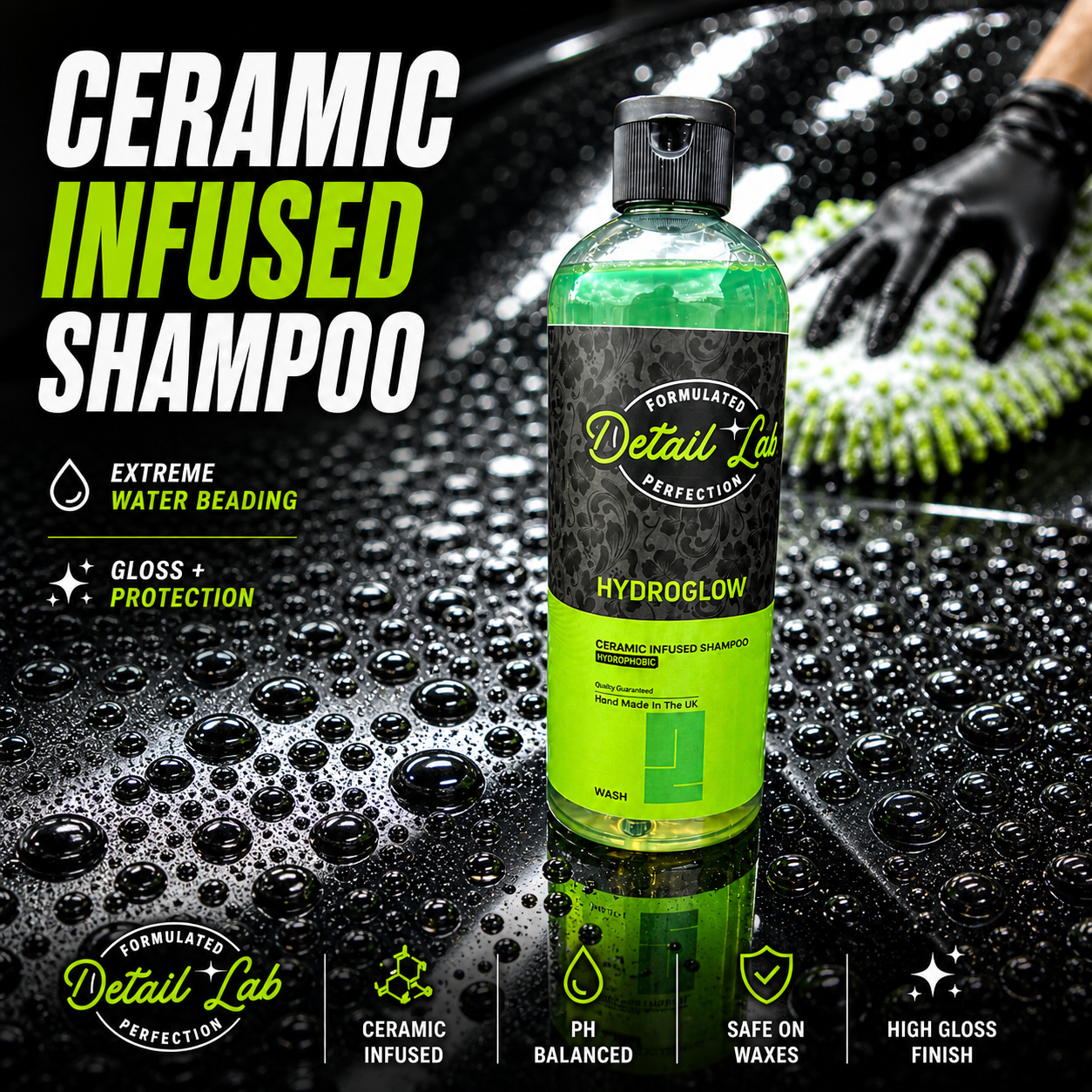
That is why bundled wash systems often make more sense than buying a single bottle in isolation. You get chemistry that works together and a simpler route to consistent results. Brands like Detail Lab have leaned into that for good reason - it removes guesswork and gets better outcomes at home.
Sometimes yes, sometimes no. Price alone does not guarantee better cleaning. Plenty of mid-range products outperform flashy premium bottles that spend more effort on branding than chemistry. What you are really paying for is formula quality, consistency and how efficiently the product works at the right dilution.
A stronger concentrate can offer better value than a cheaper bottle that you burn through in a few washes. That is especially true if you wash multiple vehicles or like to keep your car topped up every week. Cost per wash matters more than shelf price.
Still, there is a limit. If a product costs more but offers no clear advantage in dwell, cleaning or ease of rinse, it is not better. It is just pricier.
The biggest one is using too much product and expecting miracles. Snow foam is not a replacement for proper technique. Pouring in extra concentrate may give thicker foam, but not always better cleaning.
The second is applying it to a warm car. That shortens dwell time and can leave residue behind. In summer, work earlier in the day or wait until the panels are cool.
The third is skipping the rinse quality check. If your foam loosens grime but your rinse is weak or rushed, the dirt stays on the car. Take your time here. The rinse is where much of the benefit shows up.
The honest answer is that the best snow foam for cars is the one that matches your wash routine, your protection and the level of dirt you deal with every week. For most enthusiasts and careful owners, that means a pH neutral foam with proper cleaning power, solid dwell time and no drama. Safe, effective, repeatable.
If you want a bottle that only looks good in photos, you have got options. If you want safer washes, less dirt on the mitt and a cleaner finish before contact, focus on performance. Cut the bull. Get the shine.
The smart buy is not the foamiest product on the shelf. It is the one that makes every wash easier on your paint and more satisfying when you step back and look at the finish.