Cart
0
You may also like



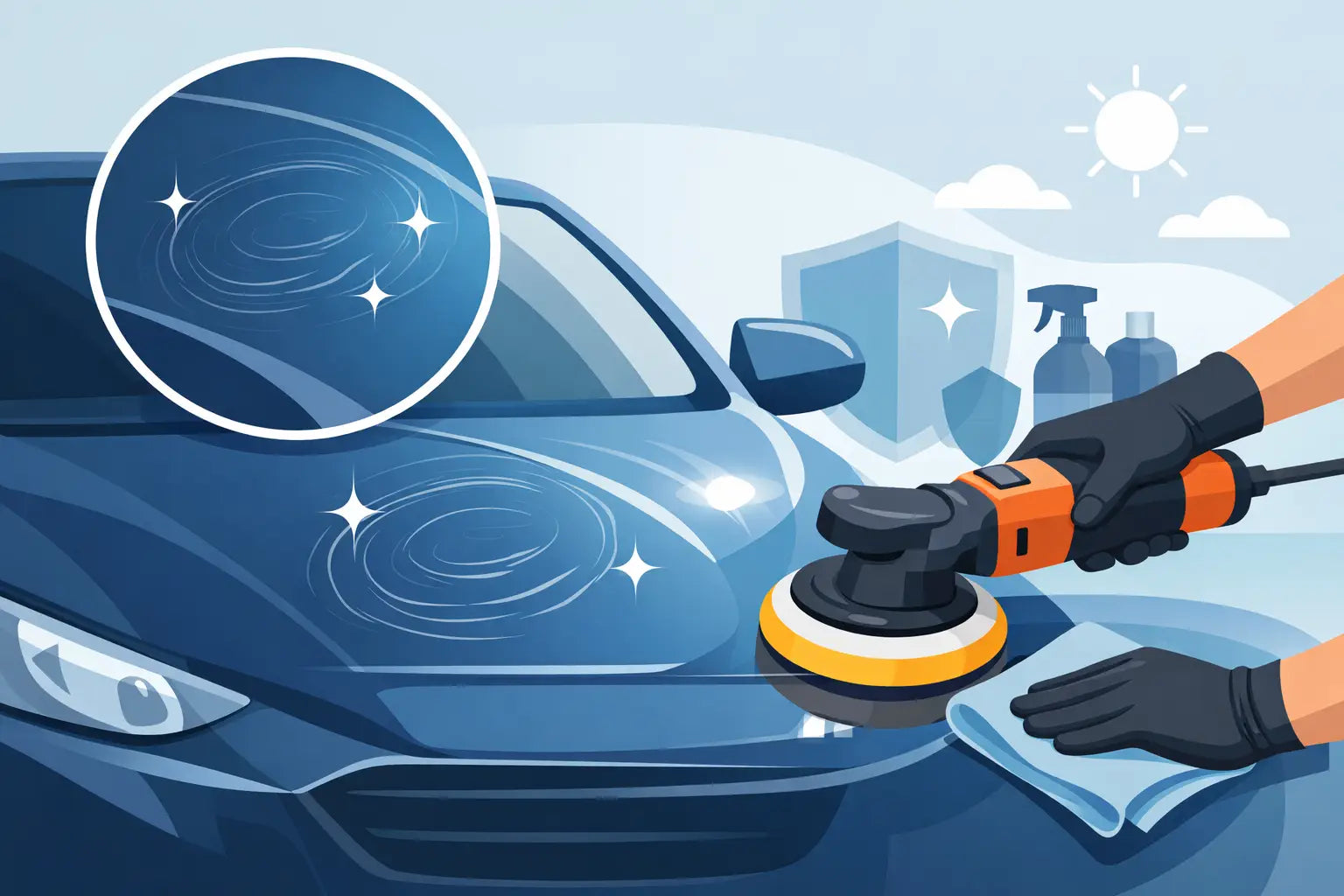
Fresh wax looks brilliant for the first few days. The paint feels slick, water beads up properly, and the car looks sharper under any light. Then a few washes later, the question turns up fast - how long does car wax last, really?
The honest answer is this: most car wax lasts anywhere from 4 to 12 weeks in real-world UK conditions. Some softer waxes fall off sooner. Some harder, better-formulated waxes can hold on for 3 to 6 months if the car is prepped properly and washed sensibly. But there is no single fixed number, because wax life depends on what you apply, how well you apply it, where the car lives, and how you maintain it afterwards.
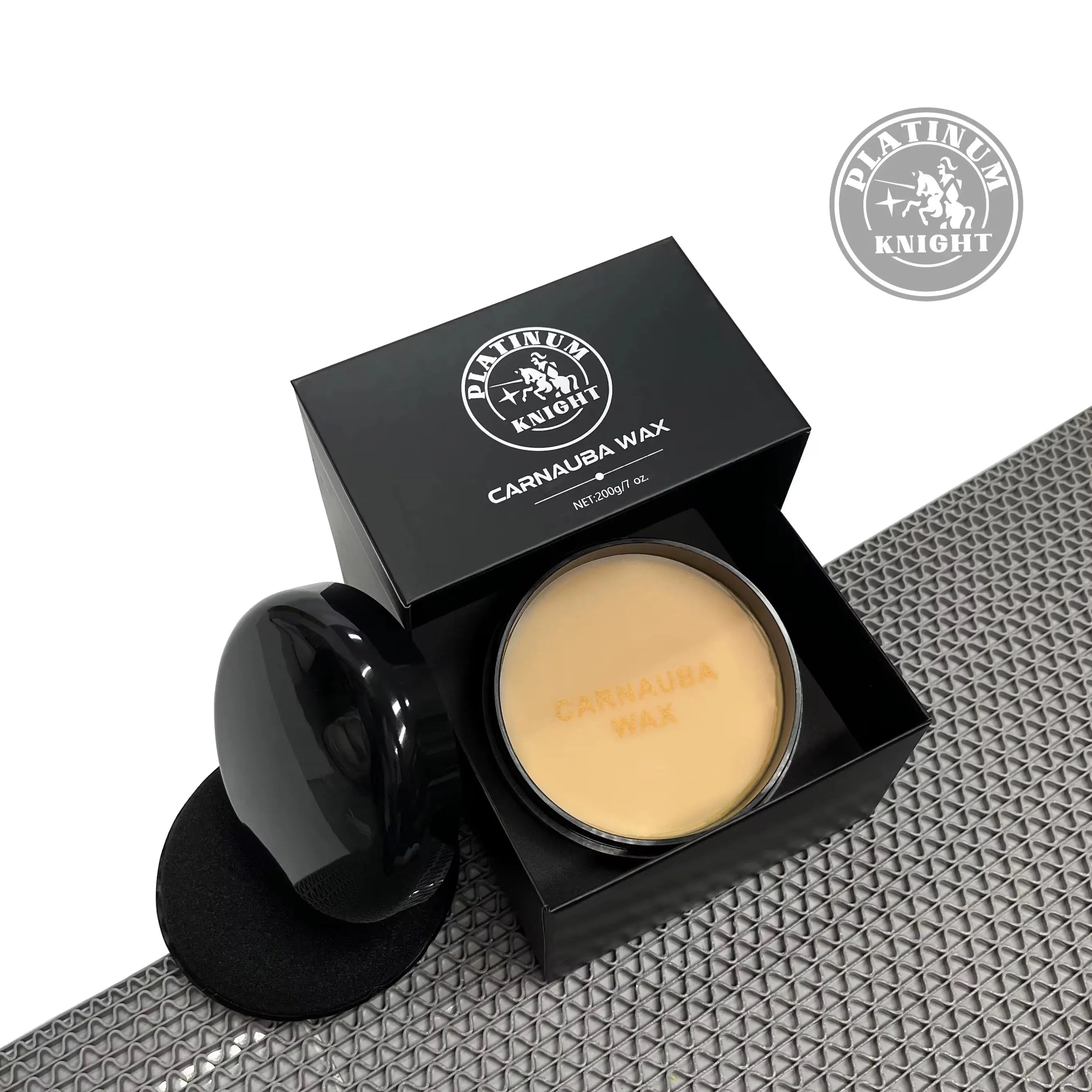
If you want the straight answer, a traditional carnauba-style wax usually gives strong looks and water behaviour for around 1 to 3 months. A durable hard wax can push further. A cleaner wax or all-in-one product may look good at first but often drops off faster because protection is not its main job.
That matters because people often judge wax by gloss alone. Gloss can hang around even after the real protection is fading. The better signs are how the paint feels, how water behaves, and whether the surface still sheds grime easily. Once beading weakens, drying gets harder, and the finish feels less slick, the wax is usually on its way out.
In Britain, weather makes this more complicated. Rain, road film, grit, colder mornings, strong summer sun, and winter salt all chip away at wax. A garage-kept weekend car will usually hold protection much longer than a daily driver parked outside and used in all seasons.
There is no magic in detailing. Durability comes down to a few key variables, and each one matters.
Not all wax is built the same. A softer show wax often leans heavily into warmth, depth, and that freshly detailed look, but it may not stay at full strength for long. A harder paste wax usually trades a bit of that short-term wow factor for better durability. Synthetic-heavy wax blends can also outlast more traditional formulas.
If you are chasing months of protection, product choice matters. If you are chasing maximum gloss for a weekend meet, you may accept that reapplication comes sooner.
Wax lasts longer on properly cleaned paint. Simple as that. If the surface is covered in traffic film, old residues, bonded contamination, or leftover polishing oils, the wax cannot bond as well as it should.
This is where many people lose durability before they even start. They wash quickly, throw wax on, then wonder why it fades after a couple of weeks. A proper pre-wash, safe contact wash, and decontamination when needed give wax a clean surface to grip. Less talk. More gloss, yes - but prep still wins.
A car that does short local runs and lives in a garage has an easier life than one doing motorway miles every day. High-speed driving, frequent rain, road salt, bird mess, tree sap and regular exposure to the elements all reduce wax life.
If your car sits outside year-round, expect the lower end of any durability claim. If it is mainly a fair-weather toy, expect better.
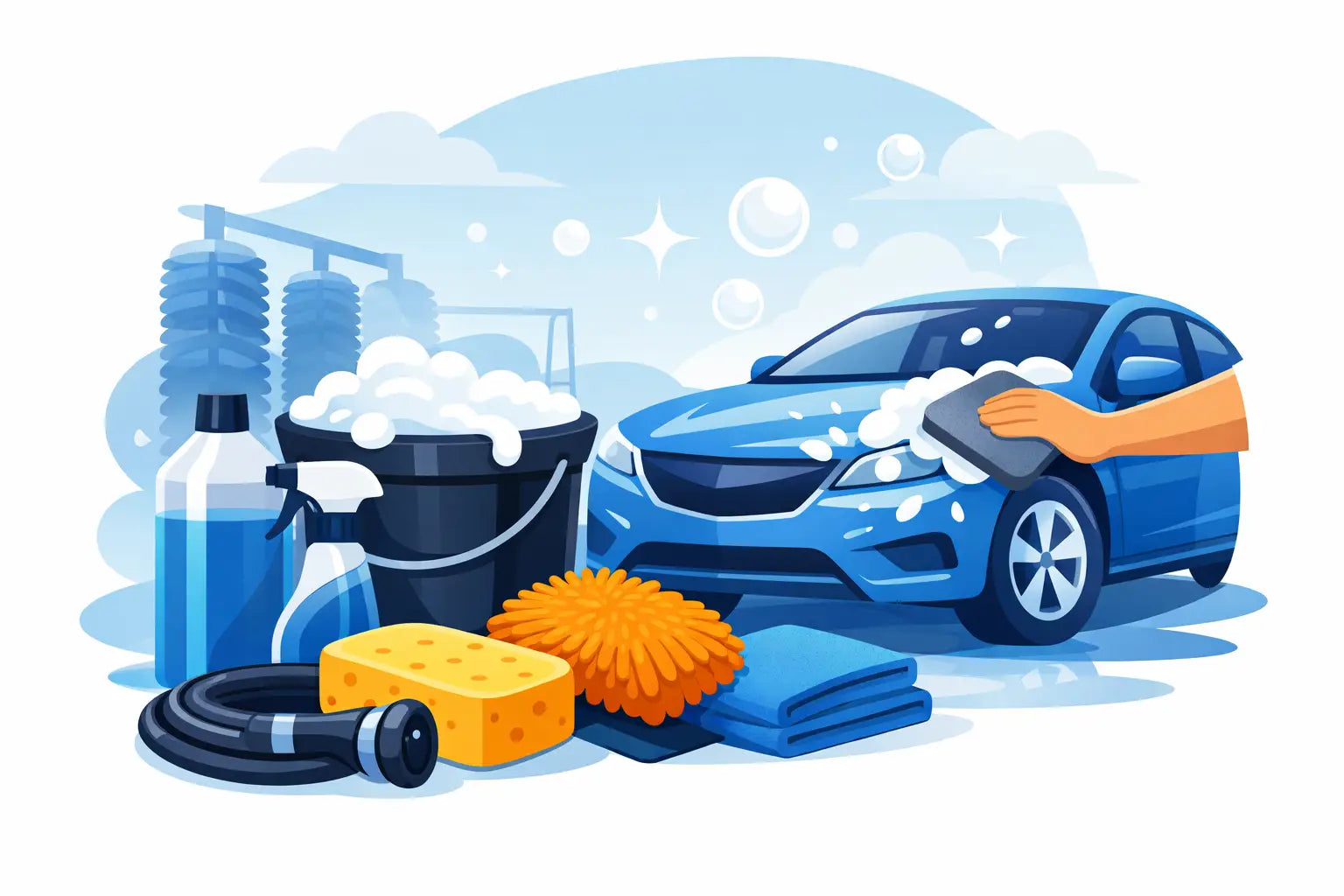
Poor washing kills protection early. Strong traffic film removers used too often, harsh detergents, dirty wash mitts, and drive-through car washes can strip wax or wear it down quickly.
A pH-friendly wash routine gives wax a fighting chance. So does drying with a proper towel instead of leaving hard water to sit on the surface.
You do not need lab equipment to tell when wax is nearly done. The paint will tell you.
Water is the easiest clue. Fresh wax beads and sheets nicely. As protection drops away, water starts to sit flatter and move more slowly. The paint may also feel rougher after washing, and dirt may stick more stubbornly than it did a few weeks earlier.
Another sign is drying. When wax is healthy, water clears off the panel faster and drying feels easier. When that goes, the towel drags more and the finish loses that freshly protected feel.
Do not wait until the paint looks completely dull. By that point, the wax has usually been fading for a while.
If you want more life from your wax, focus less on piling on more product and more on the basics.
Wax performs best on bare, clean paint. That means removing loose grime first, then washing safely, then decontaminating if the surface feels rough. If contamination is left in place, you are sealing problems under the protection and limiting how well it can bond.
More wax does not mean more durability. Thick coats waste product, make buffing harder, and can leave smearing behind. A thin, even coat is what you want. Let it cure as directed, then buff clean with a decent microfibre.
If the product allows layering, a second coat can help with even coverage. Just do not expect miracles from stacking wax on badly prepped paint.
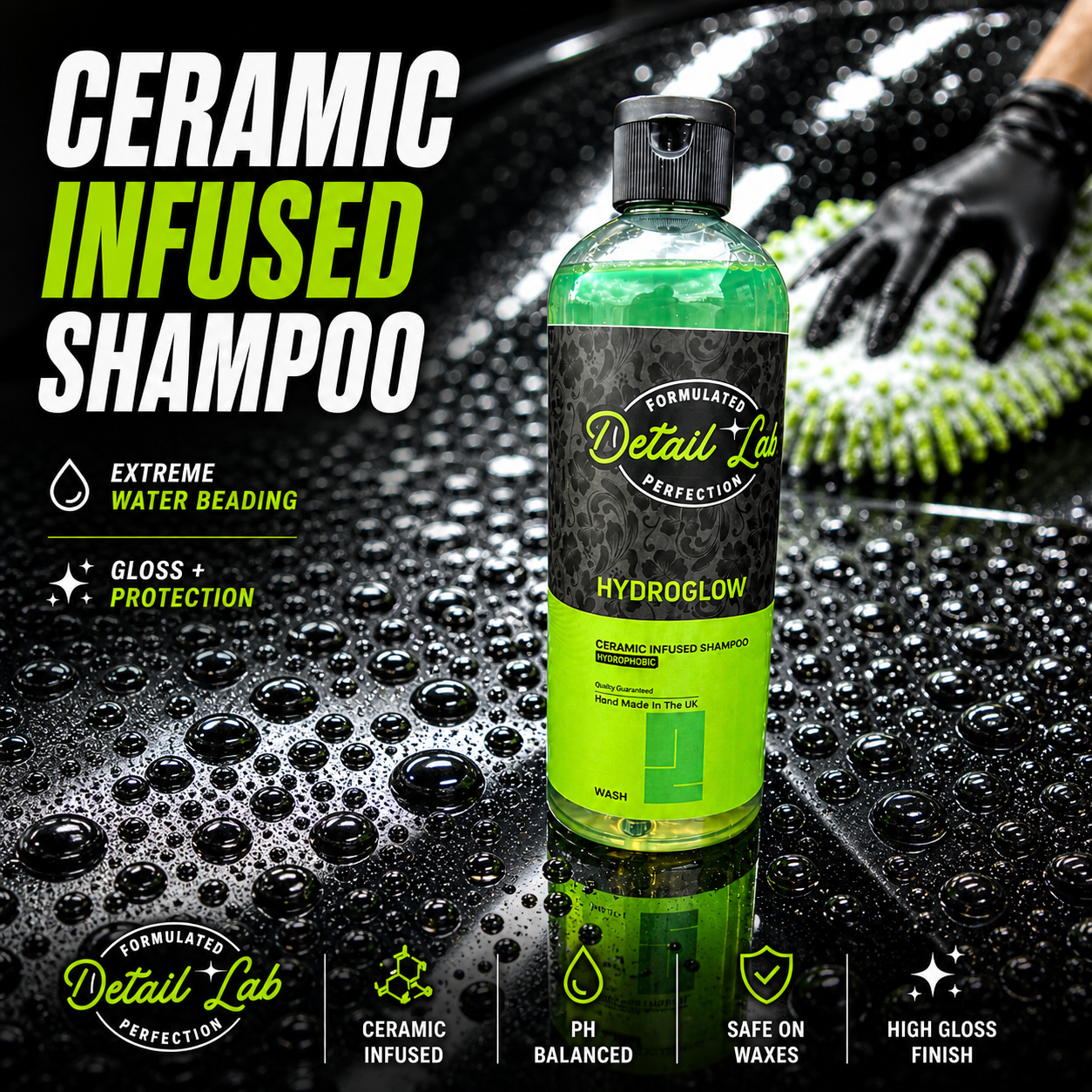
A gentle shampoo helps preserve wax. Strong cleaners have their place, especially for neglected cars, but regular use can shorten protection. If you want wax to last, maintain it with products that clean without tearing everything back off.
A quick topper after washing can also help keep water behaviour and gloss alive between full wax applications.
Bird droppings, bug splatter and tree sap are bad news. They do not just make the car look rough - they can attack the wax and the paint underneath if left sitting. Remove them quickly and you give your protection a better chance of lasting.
Usually, no. In most cases, a dedicated paint sealant will outlast a traditional wax. Sealants are generally built more for durability and chemical resistance, while wax often wins on warmth, richness and that classic freshly detailed finish.
That does not make wax the wrong choice. It depends what you value. Plenty of enthusiasts still prefer wax because they like the finish, the application process and the look it gives darker paint. If you enjoy maintaining your car regularly, wax makes sense. If you want longer intervals between protection, a sealant or coating may be the better fit.
This is where expectations need keeping in check. Wax and ceramic products are not in the same durability bracket. A wax may last weeks or a few months. A ceramic spray sealant can stretch further. A true ceramic coating, applied properly, can last years.
But durability is only part of the story. Ceramic options usually cost more, need better prep, and can be less forgiving to apply. Wax is quicker, simpler and easier to refresh. For many home detailers, that trade-off is worth it.
If you like regular wash days and want strong gloss without turning your driveway into a detailing studio, wax still has a place.
British weather is hard on protection. Winter is the toughest test. Salt, wet roads, freezing mornings and constant grime can chew through wax fast. A layer applied in late autumn might not feel nearly as sharp by mid-winter unless the car is maintained carefully.
Spring and summer are usually kinder, though strong sun, bird mess and dust still take their share. Autumn can also be rough because falling debris and damp conditions keep paintwork under pressure.
That is why many owners re-wax every couple of months rather than chasing the longest possible number on a label. Fresh protection before winter and another coat going into warmer months is often the smart move.
A good rule is to reapply when water behaviour clearly drops, the finish loses slickness, or the paint starts holding onto dirt more than it should. For many daily driven cars in the UK, that means every 6 to 10 weeks. For pampered cars, it may be less frequent. For hard-used vehicles, especially through winter, it may need topping up sooner.
Do not get obsessed with a perfect timetable. Watch how the car behaves. The paint always tells the truth.
If your aim is strong gloss, easy maintenance and solid short-term protection, wax still earns its place. Use a decent formula, prep the car properly, and wash it like you mean it. That is how you get results that last, whether the badge on the tin says Detail Lab or anything else.
A good wax job is not about making protection last forever. It is about keeping your paint looking sharp, protected and easy to maintain without overcomplicating the process.