Cart
0
You may also like



A car can be spotless and still look flat. That is the bit most people miss. If you want the best car wax for gloss, you are not just chasing protection. You are chasing depth, reflection, slickness, and that freshly detailed look that makes the paint pop even under dull UK light.
The problem is that "gloss" gets thrown around on every label. Quick shine. Mirror finish. Wet look. Most of it is sales copy. Real gloss comes down to two things - how well the paint is prepped, and whether the wax suits the finish you want. Get either wrong and even an expensive wax will underwhelm.
Gloss is about how cleanly light reflects off the paint. The smoother and clearer the surface, the sharper the reflection. Wax helps by laying down a finishing layer that boosts richness and slickness, but it cannot hide neglected paint. If the surface is contaminated, swirled, or still holding traffic film, wax will simply sit on top of the problem.
That is why the best car wax for gloss is never just about the pot. It is about the full result. A high-quality hard wax on properly cleansed paint will usually beat a premium wax applied to a badly prepped panel.
For most drivers, the sweet spot is a wax that gives three things at once - strong visual punch, decent durability, and easy application. If it looks brilliant but turns into a chalky fight on removal, it is not a great product for real-world use. If it lasts for months but leaves the paint looking cold or muted, it misses the point too.
This is where choice matters. Different waxes create different looks, and that matters more than many buyers realise.
Some waxes give a warm, rich glow. These tend to flatter darker colours, solid reds, and older paintwork, adding depth rather than a sharp glassy edge. Others push a brighter, crisper reflection that suits whites, silvers, greys, and modern clearcoats. Neither is universally better. It depends on the car, the paint type, and what your eye likes.
If you drive a black or navy car, you may prefer a wax that adds depth and richness. If you want your white hatchback or silver saloon to look brighter and cleaner, a more reflective finish can work better. The best choice is the one that improves your paint, not the one with the loudest claims.
If the finish matters, rushing the wash stage is a mistake. Wax performs best on paint that is genuinely clean.
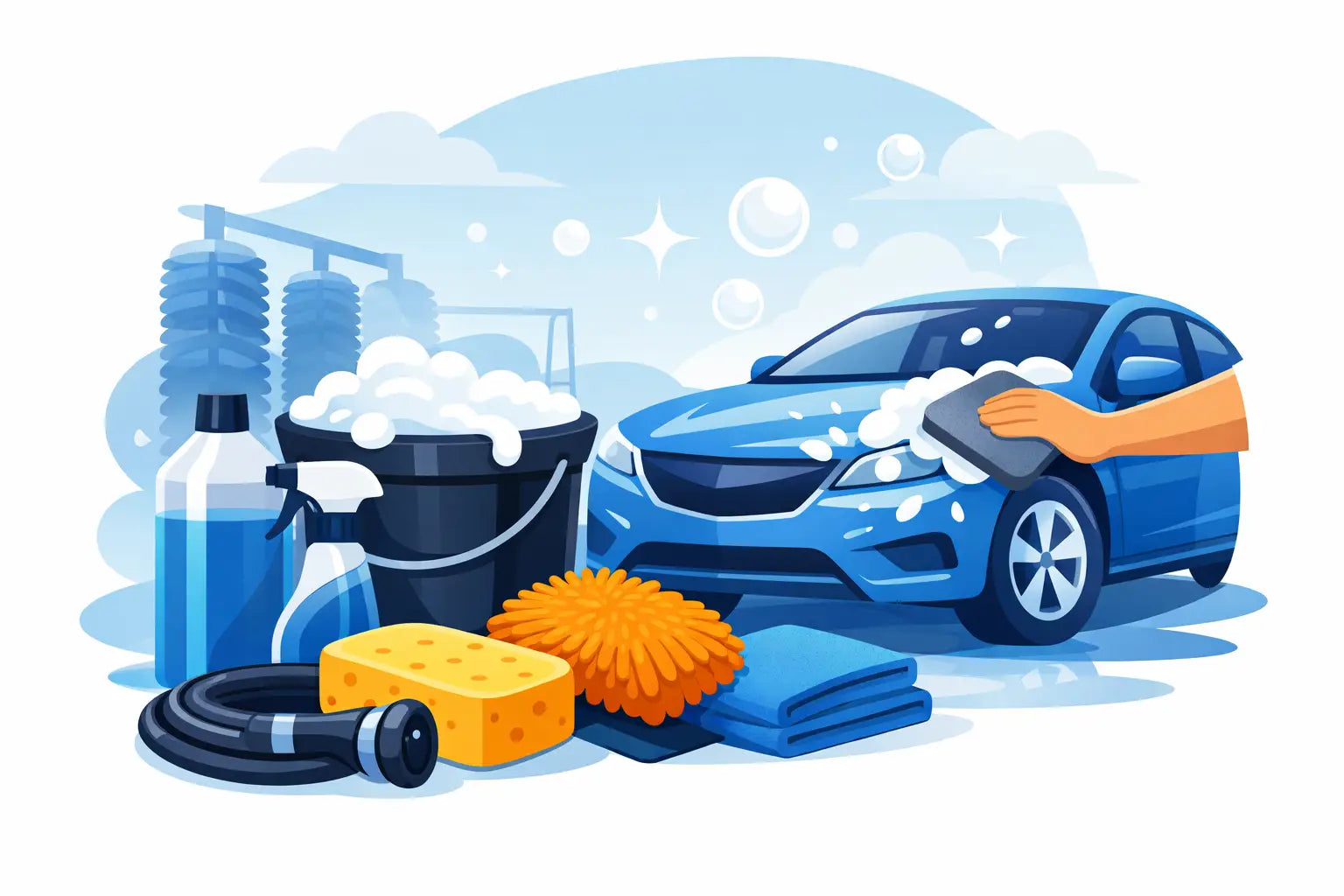
Start with a proper pre-wash to loosen grime before contact. That reduces the chance of dragging dirt across the surface and dulling the finish with wash marring. Follow with a safe hand wash using a quality shampoo, then assess the paint. If it still feels rough, it is contaminated. Tar spots, fallout, and bonded grime will kill slickness and mute gloss.
A decontamination stage makes a bigger difference than many people expect. Removing fallout and stubborn contamination leaves the surface cleaner, smoother, and more receptive to protection. On some cars, that step alone transforms the finish more than the wax itself.
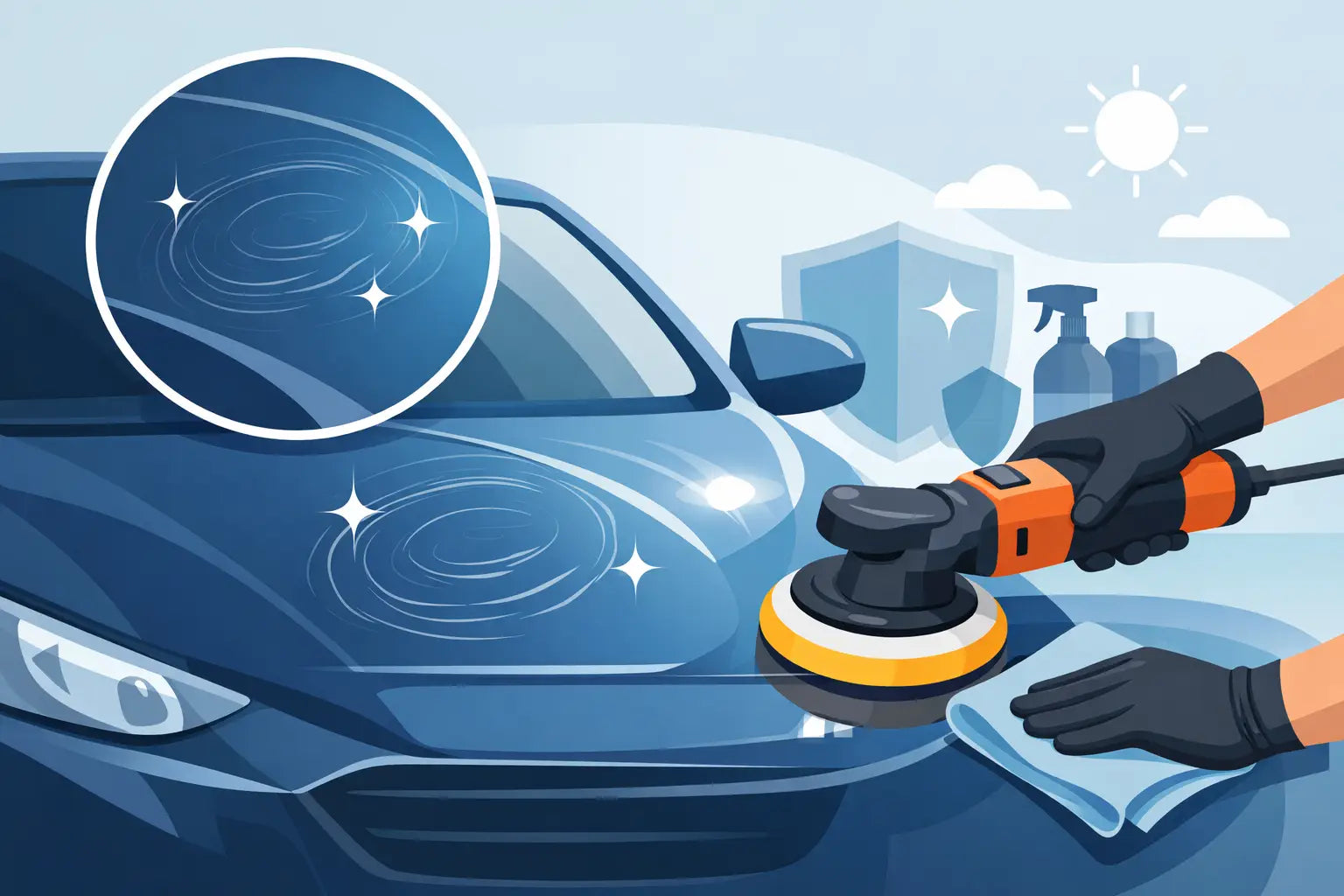
If the paint is swirled or hazy, machine polishing or at least a light paint cleanser may be the missing piece. Wax can enhance gloss, but it will not correct defects. Think of it as the finishing move, not the rescue plan.
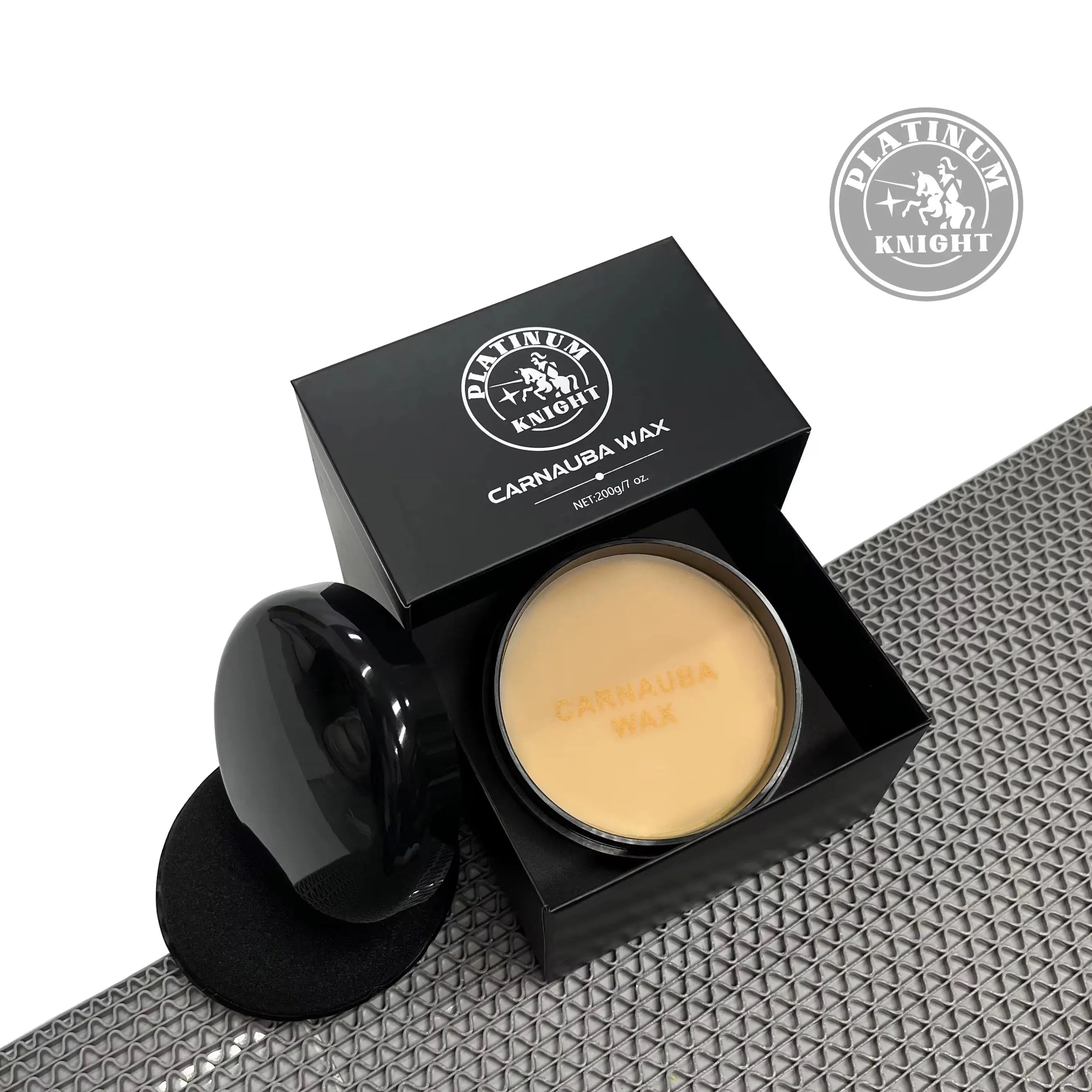
Hard wax is usually the first place enthusiasts look when they want maximum gloss. There is a reason for that. A good hard wax tends to give a richer, more deliberate finish, especially on well-kept paint. It also feels more satisfying to apply if you enjoy the detailing process. The trade-off is time. It takes longer and needs a bit more care during application and buffing.
Liquid wax is the middle ground. It is often easier to spread, quicker to apply, and less fussy in cooler or inconsistent weather. Some liquid waxes offer excellent shine, but the finish can be slightly less rich than a top-tier hard wax. For many owners, that difference is minor compared with the convenience.
Spray wax is about speed. If you want a fast gloss boost after a maintenance wash, it makes sense. It is not usually the best standalone answer if your only goal is maximum depth and show-style finish, but it is brilliant for topping up shine between full waxing sessions.
There is no point pretending one format wins every time. If you enjoy weekend detailing and want the best finish possible, hard wax is often worth it. If you want strong results without committing half a day, a good liquid wax may be the smarter buy.
Carnauba still gets plenty of attention because it is associated with warmth and depth. Fair enough. A quality carnauba-based wax can look superb, especially on darker paint. But the badge alone means very little. High carnauba content does not automatically equal better gloss if the formula is awkward to use or the finish lacks clarity.
Synthetic content matters too. Many modern waxes blend natural wax with synthetic polymers to improve durability, water behaviour, and consistency. Purists sometimes act like that is a compromise. In practice, it can be a smart balance. You get a strong look with better real-world performance.
For UK conditions, that matters. Rain, road film, cold starts, and patchy weather punish weak protection. A wax that looks brilliant for a week but falls away after a couple of wet commutes is not much use.
Forget the label for a minute. Judge it by what you see and what you deal with.
A strong gloss wax should spread thinly, haze predictably if required, and buff off cleanly without smearing. The finish should look clearer and deeper, not greasy or artificially shiny. On top of that, the surface should feel slick and behave well when wet. Tight beading is not everything, but it usually tells you the protection layer is doing its job.
It also needs to suit your routine. If you wash often and like topping up your finish, you can prioritise looks over maximum lifespan. If you want fewer full details through winter, go for a wax with stronger durability even if the last few per cent of show-car glow is slightly reduced.
Too much product is a classic one. More wax does not mean more shine. It usually means harder buffing, patchy residue, and wasted product. Thin, even coverage wins.
Applying wax to warm panels or in direct sun is another easy way to make life difficult. You risk smearing, uneven curing, and a finish that looks good for ten minutes and poor by the time you pull the car outside.
Then there is poor towel choice. A cheap or tired microfibre can dull the result right at the final stage. If you are aiming for serious gloss, your buffing towel matters more than many people admit.
Finally, people often blame the wax when the wash stage was the real issue. If your shampoo leaves residues, your drying towel drags, or your paint was not properly decontaminated, the wax never had a fair chance.
If your main goal is maximum visual impact, choose a quality hard wax with a reputation for depth and clarity. Pair it with proper prep and apply it thinly. That is usually the route to the richest finish.
If you want a balance of gloss, ease, and decent lifespan, a strong liquid wax is hard to beat. It is often the best fit for everyday enthusiasts who want serious results without turning every wash into a marathon.
If your car is already protected and just needs a lift, use a spray wax or gloss topper after washing. It will not fully replace a dedicated wax layer, but it can keep the finish looking sharp between bigger jobs.
For most people, the smartest move is not buying the single most expensive wax on the shelf. It is building a process that works - proper wash, proper prep, proper protection. That is where the shine comes from. Brands like Detail Lab make sense when the focus stays on that outcome rather than hype.
The honest answer is that the best car wax for gloss depends on your paint, your standards, and how much effort you are willing to put in. There is no magic tin that fixes bad prep or tired paint. But there are waxes that reward good technique with serious depth, cleaner reflections, and a finish that looks properly finished rather than just recently washed.
If you want more gloss, stop looking for miracles and start looking at the full chain. Clean paint. Smooth surface. Thin application. Good towels. Right product. Less talk. More gloss.
The right wax should make you want to turn back for one more look as you walk away from the car.