Cart
0
You may also like


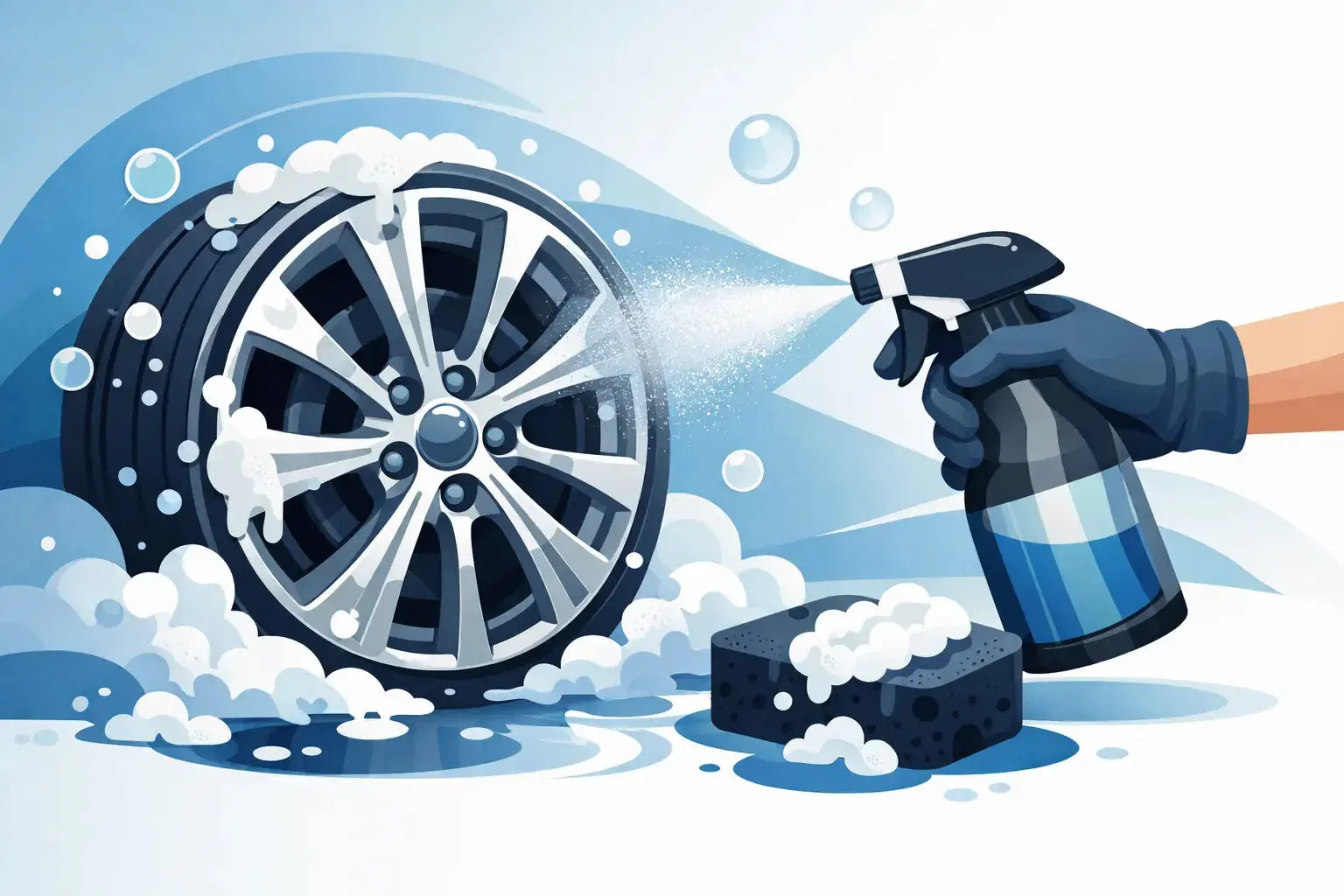
Brake dust tells the truth. If your wheels still look grey after a wash, you are not using the best wheel cleaner for alloy wheels - you are using something too weak, too harsh, or just wrong for the finish. Good wheel care is not about making them briefly wet and shiny. It is about cutting through bonded grime, lifting fallout and road film, and doing it without staining, dulling or stripping protection.
The short answer is balance. You want enough cleaning power to break down brake dust and traffic film, but not so much aggression that the product causes damage over time. Alloy wheels are not all the same. Some are lacquered, some diamond cut, some painted, some polished, and some carry ceramic coatings or sealants that you actually want to keep in place.
That is why the best product is rarely the most aggressive one on the shelf. Strong acid cleaners still have a place in heavy trade settings, especially on badly neglected wheels, but for home users they are often overkill. They can be risky on damaged finishes, bare metal, sensitive aftermarket wheels and wheels with existing chips or corrosion. If your goal is repeatable results at home, a safer high-performance formula usually makes more sense.
In real terms, the best wheel cleaner for alloy wheels should do four things well. It should cling long enough to work, loosen contamination quickly, rinse clean without leaving residues, and stay safe on the sort of wheels most UK drivers actually own. If it manages that without a harsh chemical sting or excessive scrubbing, even better.
This is where people waste time and product. Wheel contamination is a mix, not one problem. Brake dust is the main offender, but that is only part of it. You are also dealing with road salt, oily traffic film, tar spots and general grime baked on by heat.
A cleaner that handles light maintenance washes might struggle on a neglected daily driver. On the other hand, a very strong formula designed for heavy contamination may be unnecessary if you clean your car regularly. It depends how the car is used. A motorway commuter in winter, a performance car with hard braking, and a weekend classic all load their wheels differently.
That is why a decent wheel routine matters more than chasing a miracle bottle. Use the right strength for the condition of the wheel, not just the marketing on the label.
Most people looking for the best wheel cleaner for alloy wheels are really choosing between three types of product.
Acid-based cleaners cut hard contamination quickly. They can be brutally effective, especially on neglected wheels, but they need respect. If the finish is compromised, if the wheel is uncoated, or if you simply want a safer margin for regular use, acid is often not the smart first choice.
Alkaline wheel cleaners are the better fit for most home users. A good one will attack grime, brake dust and road film without the same level of finish risk. You still need to follow instructions, avoid letting it dry, and work on cool wheels, but they strike the best balance between power and safety.
Fallout removers target iron contamination. These are the products that react with embedded brake particles and often change colour as they work. They are excellent for deeper decontamination and they can make a huge difference on alloys that look permanently stained. The trade-off is that they are not always the strongest general degreaser, and they can carry that familiar sulphur smell. For maintenance washes, many drivers prefer a dedicated wheel cleaner first, then use an iron remover when needed.
The best setup is often not one product for every job. It is a strong, safe everyday wheel cleaner backed up by an iron remover for occasional deep cleans.
Ignore the loud claims and focus on use. A quality wheel cleaner should have decent dwell time so it does not run straight off the face of the wheel. It should spread evenly, hit the barrel as well as the spokes, and rinse away without leaving patchy residue.
Safety matters just as much as cleaning strength. Check that the formula is suitable for lacquered, painted and powder-coated alloys, and be cautious with polished or bare metal finishes unless the product clearly states compatibility. Diamond-cut wheels deserve extra care as well, especially if there is already any sign of lacquer failure.
You should also think about how you wash. If you use wheel woollies, soft brushes and a pressure washer, you can get more from a cleaner with less aggression. If you tend to rely on product alone with minimal agitation, you will need more bite from the formula. There is no shame in using a brush. Mechanical agitation is usually what separates a decent result from a proper one.
Technique matters. A lot.
Start on cool wheels, out of direct sun if possible. If the wheel is hot, the product can flash off too quickly and leave you fighting marks instead of dirt. Rinse first to remove loose grit. That simple step reduces the chance of dragging abrasive debris across the finish.
Spray the cleaner generously across the face, into the barrels and around the lug areas. Let it dwell for the time recommended on the label. Not longer. More is not better if the product starts to dry.
Then agitate with the right tools. A soft face brush for spokes and badges, a barrel brush for the inner wheel, and a smaller detailing brush for tight areas will get far more from the cleaner than spraying and hoping. Rinse thoroughly, checking behind spokes and around the valve stem where residue likes to hide.
If the wheel still feels rough or stained, that is usually the point to bring in an iron remover rather than attacking it again and again with the same cleaner. Once clean, adding some form of wheel protection makes the next wash easier and cuts down on brake dust bonding to the surface.
The biggest one is using the wrong product on the wrong wheel. A neglected set of painted winter wheels and a fresh set of diamond-cut alloys should not be treated with the same level of aggression.
The second is letting product dry on the surface. That is where staining, patching and needless stress start. Work one wheel at a time if conditions are warm.
The third is using filthy brushes or sponges. If your wheel tool is loaded with old grit, you are not cleaning - you are grinding. Keep wheel tools separate from paintwork tools and rinse them properly.
People also forget that damaged wheels need extra caution. If the lacquer is lifting, stone chips are exposing the substrate, or corrosion has started under the finish, even a safe cleaner can highlight the problem. The cleaner did not create the damage. It simply revealed it.
For most UK drivers, the best wheel cleaner for alloy wheels is a non-acid or carefully balanced alkaline formula that is strong enough for regular brake dust removal, safe enough for repeat use, and easy to rinse. That is the sweet spot. It gives you serious cleaning power without turning every wash into a chemistry gamble.
If your wheels are heavily contaminated, pair that cleaner with an iron remover during periodic deep cleans. If your car is washed often and protected well, you can stay on a milder maintenance product and still keep the finish sharp. If you run a performance car that throws out stubborn brake dust, you may want a more potent cleaner in reserve. It depends on the wheel, the contamination level and how often you clean.
A performance-led wheel cleaner from an enthusiast brand such as Detail Lab fits that brief when it is built around safe, repeatable results rather than hype. That is what matters - visible cleaning power, sensible chemistry and a finish that still looks right wash after wash.
Any cleaner can make a filthy wheel look better once. The better question is what happens after a month of use. Does the finish still look healthy? Does the product keep working without endless scrubbing? Does your wheel protection survive? Does it make maintenance easier instead of turning every weekend wash into a chore?
That is how you spot a genuinely good product. Not by the loudest claim, but by consistent results. Clean wheels, intact finish, less effort next time.
If you want your alloys to stay bright, sharp and properly clean, stop buying on label drama alone. Buy for the finish you have, the dirt you actually deal with, and the result you want to see when the water clears.